
Causes of Mouth Ulcers and Aphthous Ulcers
Patient information on causes of mouth ulcers and aphthous ulcers, recurrent ulcers, the evaluation process, alarm signs, and preparation for examination.

Contents 11
- 01What Are Oral Sores and Aphthous Ulcers?
- 02Why Do Mouth Sores Develop?
- 03How Are Aphthous Ulcers Distinguished from Other Mouth Sores?
- 04What Does a Sore's Appearance Tell Us?
- 05How Are Persistent or Recurrent Sores Assessed?
- 06How Is the Approach to Mouth Sores Determined?
- 07What Can Be Considered in Daily Care?
- 08When to Contact Your Doctor
- 09What Can You Ask During the Examination?
- 10Frequently asked questions
- 11References
An oral sore is a lesion caused by disruption of the mucosal surface. An aphthous ulcer is a common, potentially recurrent type, but not every oral sore is aphthous. Trauma, infection, medicines or general health conditions can produce similar appearances. Clinical examination establishes the distinction.
Summary: Oral sores are mucosal lesions with causes ranging from trauma to recurrent aphthous ulcers. Appearance alone does not show the cause; duration, recurrence and associated signs are assessed together. A sore lasting longer than two weeks requires same-day clinical assessment. Call 112 or go to the nearest emergency department for rapidly increasing facial, under-jaw or neck swelling, or difficulty breathing. Caustic home remedies can cause further tissue damage.
What Are Oral Sores and Aphthous Ulcers?
An oral sore is a superficial or deeper loss of tissue on the cheek, lip, tongue, palate or gum. An aphthous ulcer is usually painful, with a red border and potentially whitish centre. Aphthous ulcers are not considered contagious and are not the same as cold sores; examination establishes the distinction.
Aphthous ulcers can look different between people. Speaking, chewing or oral care may feel tender. Sometimes burning is noticed at the site before the sore becomes visible.
A whitish surface does not always mean pus. Healing tissue covering the sore can look similar. Fungal infections, traumatic sores or other mucosal diseases may be mistaken for aphthous ulcers. A photograph, colour or pain level cannot provide a definitive diagnosis; a clinician makes the distinction.
Why Do Mouth Sores Develop?
Mouth sores can develop from local irritation such as biting, a sharp tooth edge, broken filling, orthodontic appliance, removable denture or hot food. Recurrent sores may warrant assessment of genetic predisposition, immune response, nutritional deficiencies, medicines or general health problems.
Assessment may consider:
- Biting the cheek, lip or tongue
- A sharp tooth or broken restoration edge
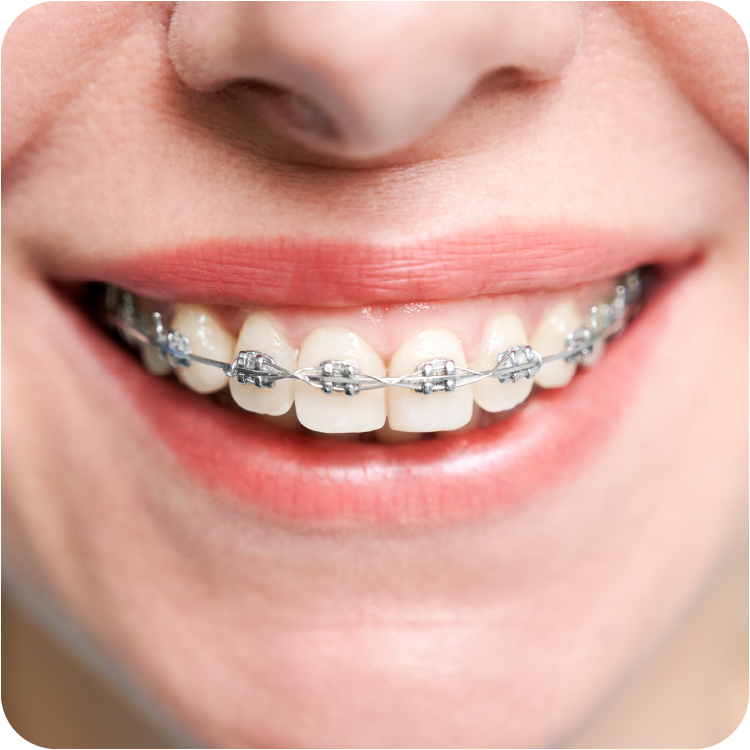
- An orthodontic wire injuring oral tissue
- A removable denture rubbing the same area
- Irritation from very hot or hard foods
- A tendency to recurrent aphthous ulcers
- A temporal relationship with a newly started medicine
- Possible iron, folate, vitamin B12 or zinc deficiency
- Certain immune-related conditions
- Digestive system diseases
- Viral, bacterial or fungal infections
This list should not be used to identify the cause of your own sore. Similar appearances can arise through different mechanisms, and several factors may influence assessment.
Stress or irregular sleep may coincide with episodes in some people, but is not considered a definite cause on its own. Do not stop a suspected medicine independently. The relevant clinician determines the possible relationship and next steps.
How Are Aphthous Ulcers Distinguished from Other Mouth Sores?
Aphthous ulcers, traumatic sores and infection-related lesions may look alike. Location, duration, recurrence, surrounding tissue and symptoms outside the mouth contribute to clinical assessment. These features do not allow home diagnosis; a clinician distinguishes the causes through examination.
| Assessment context | Information considered by the clinician | Limitations of this information |
|---|---|---|
| Recurring episodes | Location, course and similarity of previous sores | Recurrence alone does not prove a particular diagnosis |
| Irritation in the same area | Contact with a sharp edge, wire or denture | Contact does not automatically exclude other causes |
| Mucosal changes | Blisters, widespread redness or surface changes | Appearance does not identify an infectious agent |
| Symptoms outside the mouth | Skin, eye, digestive or other symptoms | A mouth sore alone does not diagnose systemic disease |
| Non-healing lesion | History of duration, growth, firmness or bleeding | Additional investigation may be needed for definitive assessment |
Aphthous and other ulcers can be medically classified. However, classifying a sore at home by size, colour or pain may delay care. A non-healing lesion should not automatically be considered an aphthous ulcer.
What Does a Sore's Appearance Tell Us?
Colour, border, surface, location and surrounding tissue changes are parts of examination. Pain, burning, contact tenderness or stinging while eating may occur. None of these alone determines cause or severity; appearance, history and examination are considered together.
The examination may consider:
- Whether there is one sore or several
- Whether this is the first episode or a recurrence
- Whether it recurs in the same area
- Swelling around it
- Firmness around it
- Bleeding on contact
- Spontaneous bleeding
- Noticed numbness
- Changes in taste
- Development of neck swelling
- Other skin lesions
- Eye-related symptoms
- Other lesions in the genital area
- Digestive symptoms
- Current medicines
- Existing conditions
The meaning of these findings cannot be determined individually at home. A white surface, firmness or bleeding can each have different causes. Matching a visible feature to a diagnosis is unreliable; the clinician makes that distinction.
Mild pain does not mean a sore is unimportant. Some persistent lesions may initially cause little noticeable pain. The decision to seek care should therefore not depend solely on pain level.
How Are Persistent or Recurrent Sores Assessed?
Persistent or recurrent mouth sores require a detailed history and clinical examination of oral tissues. Possible irritation, medicines, recurrence patterns and extraoral symptoms are assessed. Blood tests, tissue examination or other specialist opinions may be arranged if needed.
Preparing notes on the following may help:
- The date the sore was first noticed
- Whether similar sores occurred before
- Whether it recurs in the same place
- Recently started medicines
- Concurrent symptoms outside the mouth
- A recent broken tooth
- Loss of a filling, crown or other restoration
- Contact from an orthodontic wire or denture
- The sore's effect on eating
- The sore's effect on speaking
- Whether swallowing is affected
Frequent recurrence may matter even if the sore has healed. Photographs from different days, a brief dated timeline or symptom notes can support the history but do not replace clinical examination.
How Is the Approach to Mouth Sores Determined?
The approach begins with assessment of warning signs and possible causes. Local irritation, recurrent aphthous ulcers, possible infection and general health factors are managed differently. Follow-up and investigation options vary with individual circumstances; examination determines the plan.
If a sharp tooth, broken filling or another local irritant is identified, the scope of treatment is individualised. Teeth and existing restorations may need assessment alongside oral tissues. See the dental check-up page for information about general oral and dental assessment.
Not every mouth sore needs antibiotics. Infection management is a clinical decision; antibiotics do not replace local intervention when required. Steroid products, antiseptics and other medicines should not be used before the sore type is identified. The approach is individualised by weighing expected benefit and limitations.
What Can Be Considered in Daily Care?
Daily care aims to limit further irritation and maintain oral hygiene. Care changes do not identify the cause or prevent every aphthous ulcer. Recurrent, enlarging or non-healing sores need more than habit changes; do not postpone assessment because pain is mild.
Points to consider include:
- Cleaning teeth gently without striking oral tissues
- Avoiding tissue injury during interdental cleaning
- Limiting irritation from very hot food
- Avoiding contact between the sore and hard or sharp-edged foods
- Noting biting habits affecting the same area
- Mentioning a broken tooth or filling edge at examination
- Reporting contact from wires or removable dentures
- Maintaining regular, balanced nutrition
- Recording recurrence dates
- Sharing potentially related circumstances at examination
Do not apply aspirin, alcohol, lemon, baking soda or other caustic substances to the sore. Scraping, cutting or trying to burst it can worsen tissue damage. Do not start vitamin or mineral supplements based solely on its appearance.
When to Contact Your Doctor
When to seek care depends on duration and warning signs. One or more of the following is sufficient; do not wait for every symptom to appear. Emergencies are distinguished from situations needing same-day assessment. Mild pain or pain that later disappears is not a reason to wait.
Call 112 or go to the nearest emergency department immediately
- Rapidly increasing facial swelling
- Rapidly increasing swelling under the jaw
- Rapidly increasing neck swelling
- Difficulty breathing
- Difficulty swallowing
- Voice changes
- Inability to open the mouth
- Swelling progressing towards the eye
- Swelling progressing towards the neck
- Fever
- Chills
- Deterioration in general condition
- Bleeding that continues despite pressure
- A changed bite after facial trauma
- A changed bite after jaw trauma
- Inability to move the jaw after facial trauma
- Inability to move the jaw after jaw trauma
- Suspected jaw fracture
- Loss of consciousness after trauma
- Vomiting after trauma
- Dizziness after trauma
Assessment on the same day or without delay
- A non-healing mouth sore lasting longer than two weeks
- A white patch in the mouth lasting longer than two weeks
- A red patch in the mouth lasting longer than two weeks
- An area of firmness in the mouth lasting longer than two weeks
- A bump on the gum
- Discharge from the gum
- Swelling with a persistent bad taste in the mouth
- Swelling with a persistent unpleasant mouth odour
- Toothache that interrupts sleep
- Progressively worsening toothache
- Persistent gum bleeding outside brushing
- Loose teeth
- Widening gaps between teeth
- A broken tooth
- A cracked tooth
- A displaced tooth
- A filling falling out
- A crown falling out
- A bridge falling out
- An orthodontic wire poking into tissue
- An orthodontic wire injuring tissue
- Jaw joint locking
- A tooth completely knocked out by trauma
Do not wait to establish whether a completely knocked-out tooth is a baby or permanent tooth; a clinician makes that distinction. Time may be critical, so do not wait until morning. Do not dry the tooth; hold its crown, the upper part, do not scrub the root and do not leave it dry during transport.
Tooth pain disappearing does not mean the problem has resolved. Pain can decrease when the living tissue inside the tooth becomes necrotic while infection progresses silently. It is therefore unsafe to assume assessment is unnecessary because the pain has gone.
What Can You Ask During the Examination?
Questions help explain how the cause is distinguished and what follow-up is needed, not merely the sore's name. Investigation and treatment options may vary with personal health. Answers are considered with examination findings to create an individual plan.
You can ask the clinician:
- Is this lesion consistent with an aphthous ulcer?
- Which other possibilities need consideration?
- Is a tooth or filling irritating the same area?
- Could wire or denture contact contribute to persistence?
- Are blood tests needed because it recurs?
- Is another assessment needed?
- Could there be a temporal link with my medicines?
- Which changes should I monitor?
- Under what circumstances is reassessment needed?
- When would tissue examination be considered?
- Is another specialist's opinion needed for symptoms outside the mouth?
Bring a medicine list and information about known conditions and allergies. Mention pregnancy or breastfeeding before medication and investigation decisions. Notes on onset and recurrence can also help assessment.
Frequently asked questions
Common questions cover possible causes, when assessment is needed and what to do in special circumstances. The answers below provide general information; an individual diagnosis cannot be based solely on a description or photograph. A clinician distinguishes lesions even when they look similar.
What can a mouth sore be a sign of?
A mouth sore may relate to an aphthous ulcer, biting, hot food, a sharp tooth, broken filling, wire or denture irritation. Recurrent sores may also prompt assessment for deficiencies, medicines, infections or systemic disease. A single appearance does not prove a disease; a clinician distinguishes the causes.
What is the fastest way to heal a mouth sore?
No single method quickly heals every mouth sore. Healing depends on the cause and tissue condition. Avoiding further irritation and maintaining gentle hygiene may help but may not remove the cause. Do not use caustic substances or arbitrary medicines, and do not delay assessment for warning signs.
Which diseases cause mouth sores?
Mouth sores can occur with some digestive, immune or blood disorders. Infections and nutritional deficiencies may also be assessed. A sore alone does not indicate one of these diseases. Recurrence, extraoral symptoms and examination findings are considered together.
Can mouth sores occur during pregnancy?
Mouth sores can occur during pregnancy, but not every sore should be attributed to pregnancy changes. Irritation, dietary changes or other causes may be involved. Before using medicated mouthwash, gels, supplements or herbal products, consult both the pregnancy care clinician and the clinician assessing oral health.
References
The following studies provide general information on recurrent aphthous ulcers, common oral lesions and clinical assessment of ulcerated mucosal lesions. They cannot be used for individual diagnosis or replace examination, history and additional investigations. Do not draw direct conclusions for specific situations outside their scope.
- Recurrent Aphthous Stomatitis (2020). PMID 32451064.
- Common Oral Lesions (2022). PMID 35426641.
- Ulcerated Lesions of the Oral Mucosa: Clinical and Histologic Review (2019). PMID 30701449.
See the contact page for information about examination and assessment.
This information is for educational purposes and does not replace diagnosis and treatment. Please consult your doctor about your symptoms.