

Lingual Bracket (Invisible Wire)
Invisible Wire (Lingual Bracket)
Lingual brackets are bonded to the back surface of the teeth and are invisible from the outside. Reasons for preference in adults, adaptation period and treatment process.

Dr. Fırat Karabulut
Dentist · Mecidiyeköy, Istanbul
AI · initial information
onlineLet's discuss your orthodontic treatment

AI answers are for information and do not replace a medical diagnosis.

Short videos on the topic
All videos →Brief explanations on this topic from Dr. Fırat Karabulut's YouTube channel. Total 2 videos.

Where is Our Clinic? Car Park Entrance

Where is our clinic?
Dentist
+30,000
Successful Dental Treatments
With thousands of successful treatment experiences, personalised planning and modern techniques, we create healthy smiles.
How Does Lingual Bracket (Invisible Wire) Work? Stages, Duration and Results
The lingual bracket system, developed for patients with aesthetic expectations in orthodontic treatments, aims to achieve tooth correction without being visible from the outside. This method, particularly preferred by adult patients, works on the principles of classical wire therapy but offers an advantage in terms of visibility.
What Is Lingual Bracket?
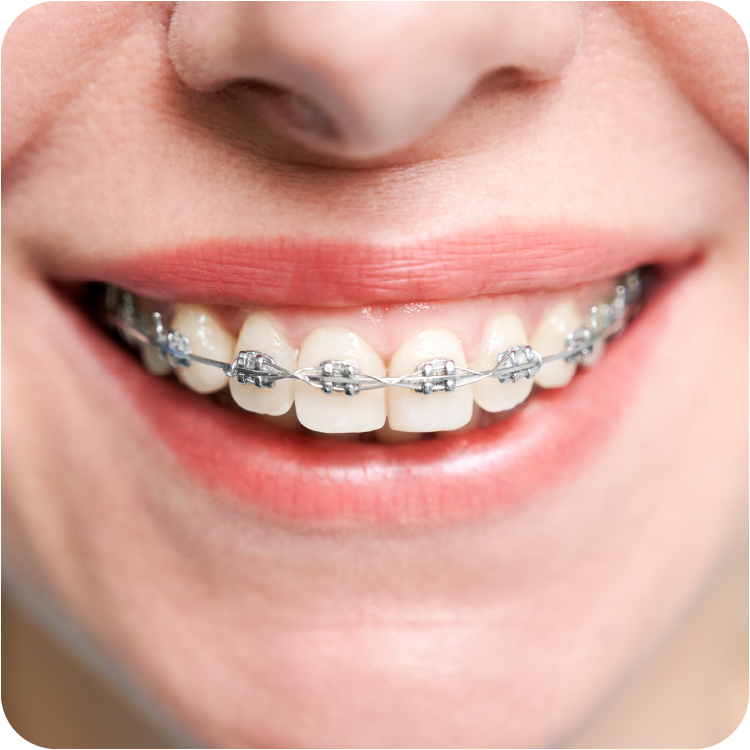
A lingual bracket is an orthodontic bracket system placed on the back (tongue-side) surface of the teeth. Because it is not visible from the outside, it is also called 'invisible wire'.
As in classical orthodontic treatment, controlled force is applied to the teeth to achieve alignment. However, because the brackets are placed on the back surface of the teeth rather than the front surface, it offers a more aesthetically comfortable alternative.
Lingual bracket treatment is an effective option for patients who have both aesthetic concerns and require comprehensive orthodontic correction.
How Does Invisible Wire Work?
The invisible wire (lingual bracket) system works by applying controlled and continuous force to the teeth. Just as in classical wire therapy, the aim is to gradually move the teeth to their ideal positions over time.
The brackets are fixed to the back surface of the teeth and through the orthodontic wires passing through these brackets, directed force is applied to the teeth. This force:
Moves the tooth root within the bone
Corrects crowding
Improves occlusal problems
Aligns the teeth
Tooth movement takes place gradually. The wires are changed or adjusted at specific intervals, and with each adjustment the teeth progress towards their planned new position.
Because the system is on the back surface of the teeth, it is invisible from the outside; however, biomechanically it works according to classical orthodontic principles. Regular check-ups and adjustments ensure that treatment progresses as planned.
How Is Lingual Bracket Applied? / Application Stages
Lingual bracket treatment is an orthodontic process that requires detailed planning and precise application. Since the brackets are placed on the back surface of the teeth, individualised preparation is important.
Examination and Analysis
A detailed orthodontic examination is performed in the first stage. The position of the teeth, jawbone structure and occlusal relationship are evaluated. X-rays and digital impressions are taken if necessary.
Digital Planning
The current condition of the teeth is analysed in three dimensions. The stages through which the teeth will pass during the treatment process are planned.
Custom Bracket Preparation
Lingual brackets are usually prepared individually for the patient. This is because the back surface of the teeth is more irregular than the front surface and requires precise fit.
Bracket Placement
Brackets are fixed to the back (lingual) surface of the teeth. Orthodontic wires are then placed and controlled force is applied to move the teeth.
Reviews and Adjustments
Regular reviews are carried out at set intervals. Wires are changed or adjusted. With each adjustment, the teeth move towards their planned position.
End of Treatment and Retention
When the teeth reach ideal alignment, active treatment is completed. Retention appliances may then be used to maintain the new tooth positions.
Lingual bracket treatment offers an aesthetically invisible solution whilst operating according to classical orthodontic principles. Regular reviews and patient compliance directly affect treatment success.
How Long Does Lingual Bracket Treatment Take?
The duration of lingual bracket (invisible wire) treatment varies depending on the degree of crowding and the existing bite problem. In mild orthodontic cases, the process may be shorter, whilst more complex dental and jaw problems may require longer treatment.
Main factors affecting treatment duration:
Severity of crowding
Jaw structure and bite abnormality
Initial tooth position
Patient's regular attendance at appointments
Scope of orthodontic planning
Since the lingual bracket system works according to similar principles to classical wire treatment, the timeframe is usually similar. The most accurate duration is determined after detailed orthodontic examination and analysis.
What is the Comfort Level and Adaptation Period?
Since lingual brackets are placed on the back surface of the teeth, they initially contact the tongue and may require a short adaptation period. Particularly in the first few days, mild tongue irritation, sensitivity or slight changes in speech may be noticed.
This adaptation period is usually temporary. Most patients become accustomed to the brackets within days to weeks and continue their daily lives comfortably.
Factors affecting comfort:
Custom design of the brackets
Individual oral sensitivity level
Tongue's adaptation to the brackets
Regular reviews
When necessary, protective wax may be recommended. Over time, the tongue adapts to the brackets and the discomfort noticeably decreases. With regular care and dental reviews, the treatment process can proceed comfortably.
What are the Advantages of Lingual Brackets?
The lingual bracket system works according to classical orthodontic principles whilst offering significant aesthetic advantages. The primary reason it is preferred by adult patients is that it is invisible.
The main advantages are:
Not visible from the outside, raises no aesthetic concerns
Comprehensive orthodontic corrections can be performed
May be more effective than clear aligners in more complex cases
As it is fixed permanently, it depends less on patient compliance
Minimally affects social and professional life
It is an important alternative for patients seeking both an aesthetic and a strong orthodontic solution.
What are the Disadvantages of Lingual Brackets?
Like any orthodontic system, lingual brackets have certain limitations.
Tongue irritation and an adaptation period may occur in the first few days
Temporary changes in speech may be experienced
Cleaning requires more care compared to front surface brackets
Cost may differ from classical wire treatment
The application process is technically more demanding
Treatment success is directly related to correct planning, regular reviews and attention to oral hygiene.
Who is Lingual Bracket Suitable For?
Lingual bracket (invisible wire) treatment is suitable for patients with aesthetic concerns who require comprehensive orthodontic correction. It is particularly favoured by adults in social and professional settings who do not want visible wires.
It can be applied in the following situations:
Mild, moderate and some advanced degree crowding cases
Bite abnormalities
Gaps between teeth
Patients who have previously undergone orthodontic treatment but whose teeth have relapsed
Individuals not suitable for clear aligners but seeking an aesthetic solution
Since the lingual bracket system works according to classical orthodontic principles, it can be effective in a wide range of cases. The suitability decision is determined after detailed orthodontic examination and analysis.
Who is Lingual Bracket Not Suitable For?
Although lingual brackets can be applied in many orthodontic cases, they may not be the ideal choice for every patient. In some situations, alternative treatment methods may be more appropriate.
Careful assessment is required in the following cases:
Patients with very narrow dental arches
Anatomical structure on the back surface of teeth that would make bracket placement difficult
Those with inadequate oral hygiene
Patients unable to attend regular appointments
People with severe periodontal (gum) problems
Patients with very high tongue sensitivity
Additionally, in some advanced jaw anomalies, extra treatments such as orthognathic surgery may be planned.
The most appropriate treatment choice should be determined after detailed orthodontic examination and analysis. The aim is to achieve both aesthetic and functional results that will last long-term.
Lingual Bracket Care and Hygiene Recommendations
Since lingual brackets are placed on the back surface of the teeth, cleaning requires somewhat more care than front surface brackets. Preventing plaque accumulation around the bracket and maintaining gum health is important for the success of the treatment process.
Daily Tooth Brushing
Teeth should be brushed carefully at least twice daily.
Pay particular attention to cleaning the back surfaces of the teeth.
Orthodontic toothbrushes or small-headed brushes may be preferred.
Interdental Cleaning
Use of dental floss or interdental brushes is recommended.
Deposits around the bracket and wire should be cleaned regularly.
Oral Irrigator Use
Oral irrigator devices can help remove plaque from hard-to-reach areas.
Dietary Recommendations
Avoid very hard and sticky foods.
Limit consumption of sugary and acidic foods.
Regular Reviews
Orthodontic appointments should not be missed.
Neglect of professional cleaning and care should be avoided.
Regular and correct oral care both protects gum health and prevents unwanted complications during treatment. In lingual bracket treatment, hygiene is as important as aesthetics.