


Dental implants
Dental implant is a permanent solution placed in the jawbone to replace a missing tooth. All-on-4, All-on-6, zirconia and flapless implant options are covered on this page.

Dr. Fırat Karabulut
Dentist · Mecidiyeköy, Istanbul
AI · initial information
onlineLet's discuss your implant treatment

AI answers are for information and do not replace a medical diagnosis.

Short videos on the topic
All videos →Brief explanations on this topic from Dr. Fırat Karabulut's YouTube channel. Total 2 videos.

Where is Our Clinic? Car Park Entrance

Where is our clinic?
Dentist
+30,000
Successful Dental Treatments
With thousands of successful treatment experiences, personalised planning and modern techniques, we create healthy smiles.
What Is Implant Treatment?
Treatments
Dental implants
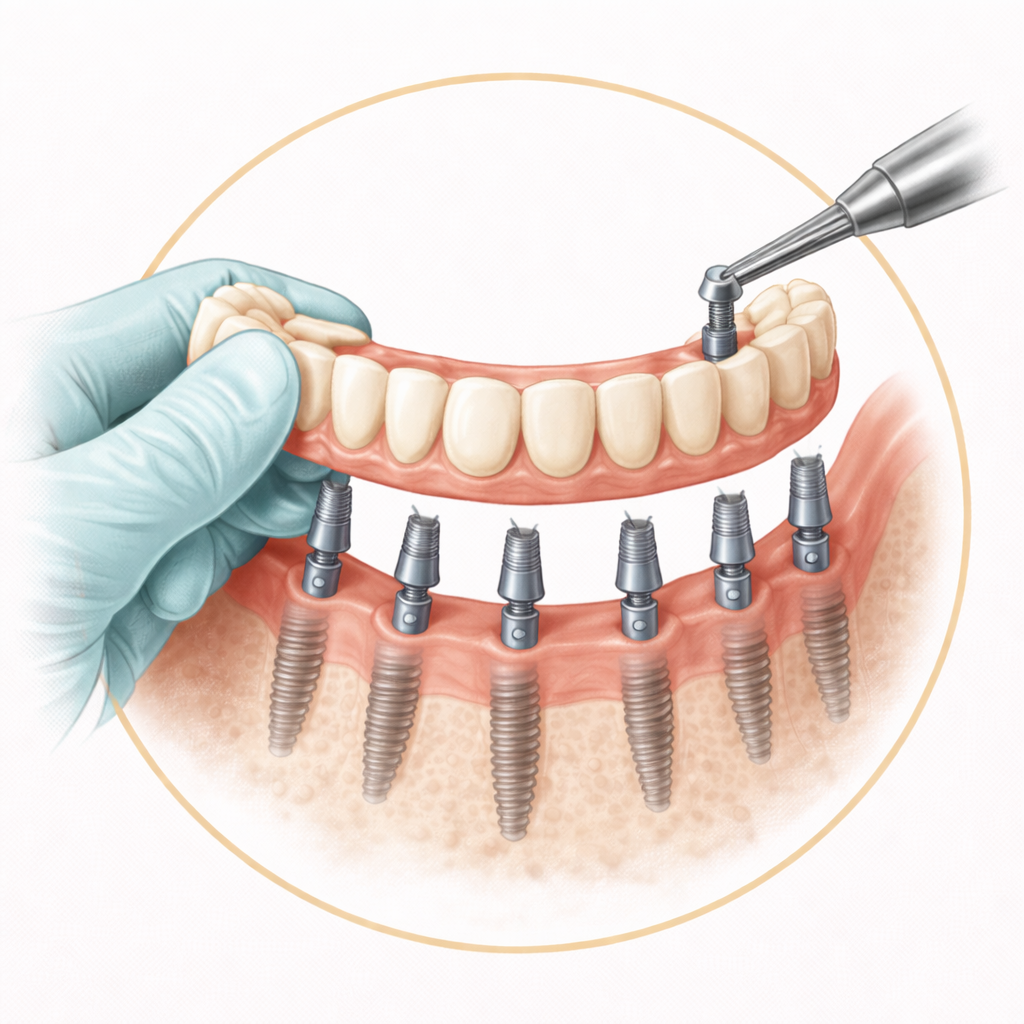
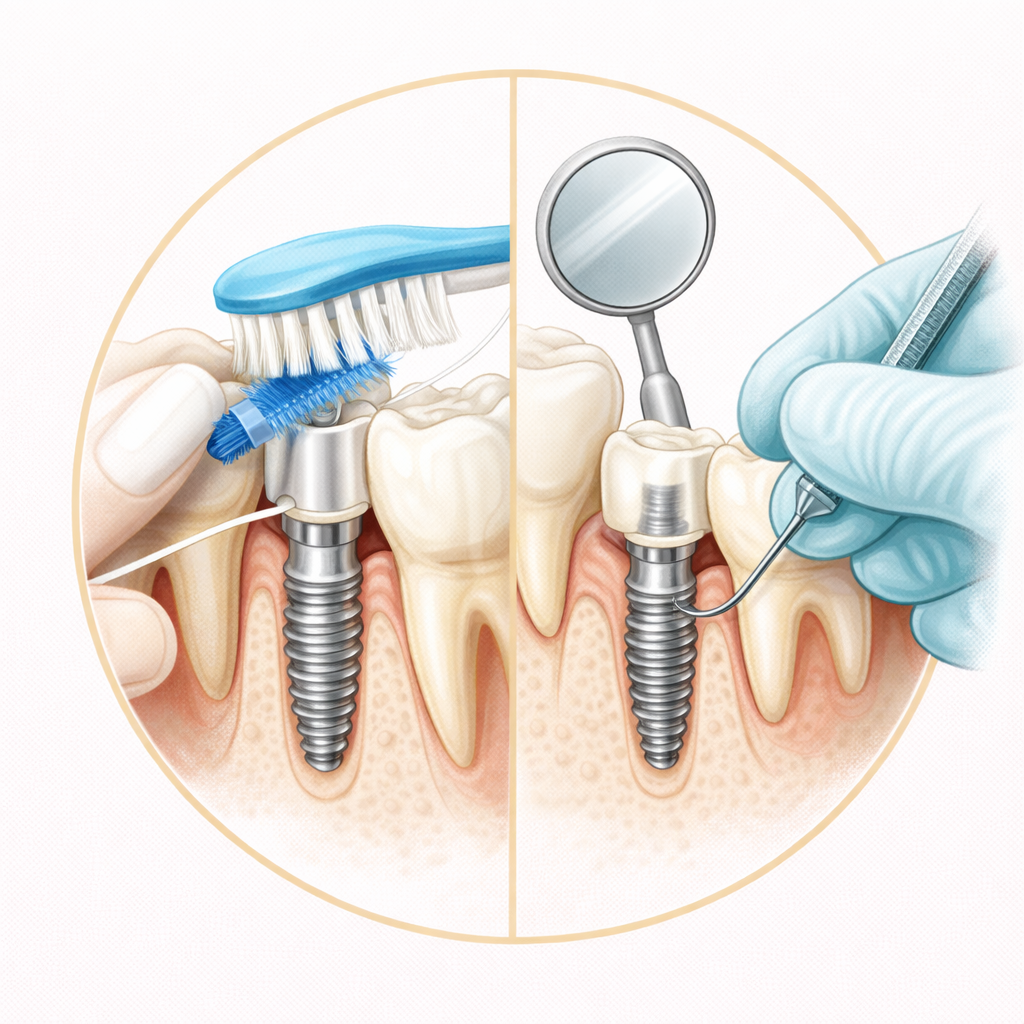
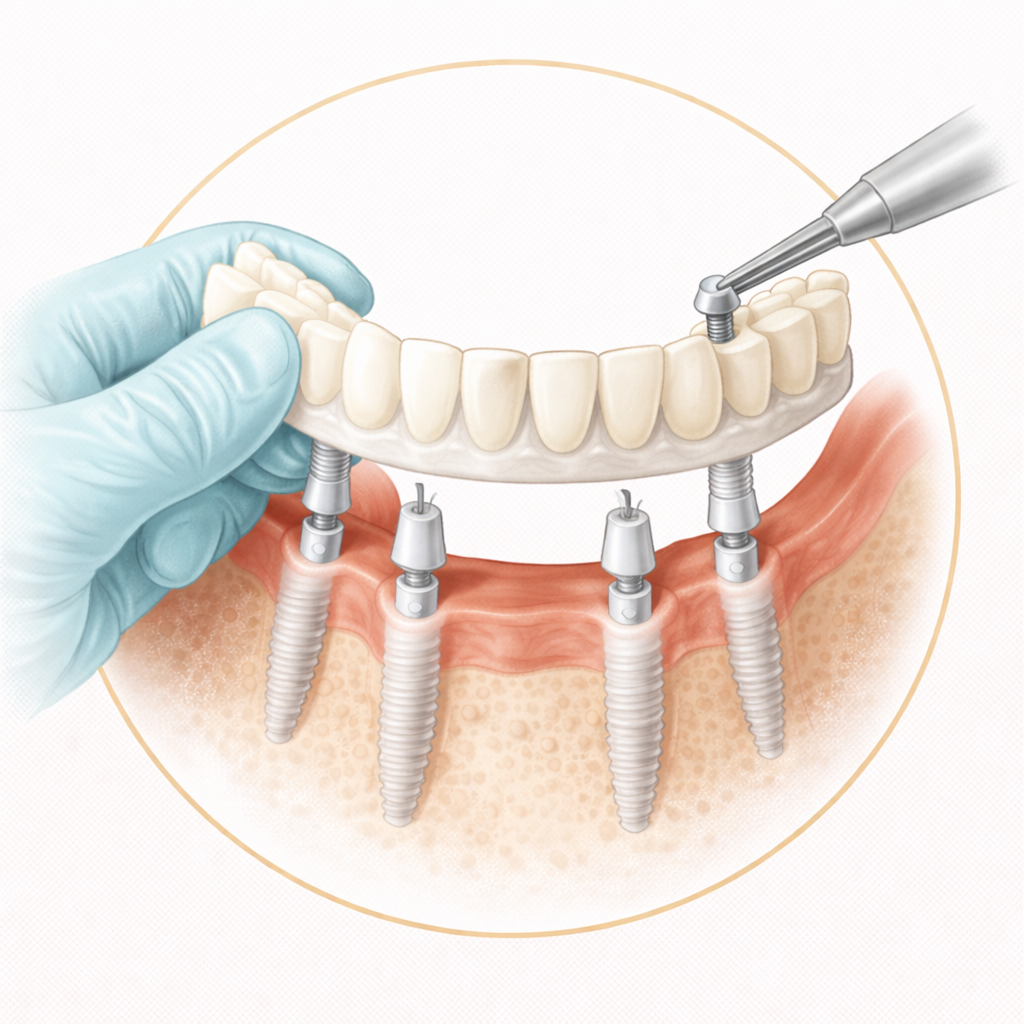
What Is a Dental Implant? How Is Dental Implant Treatment Performed?
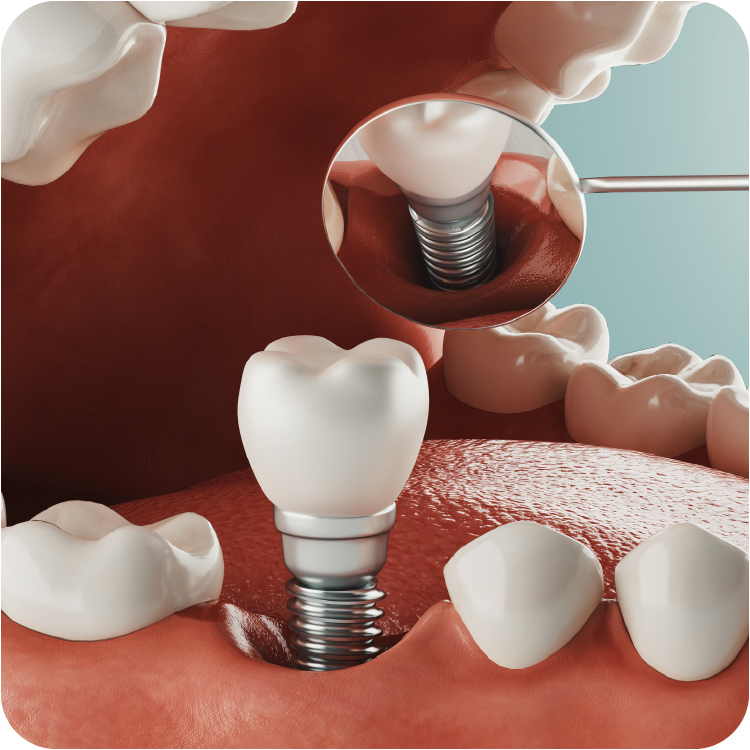
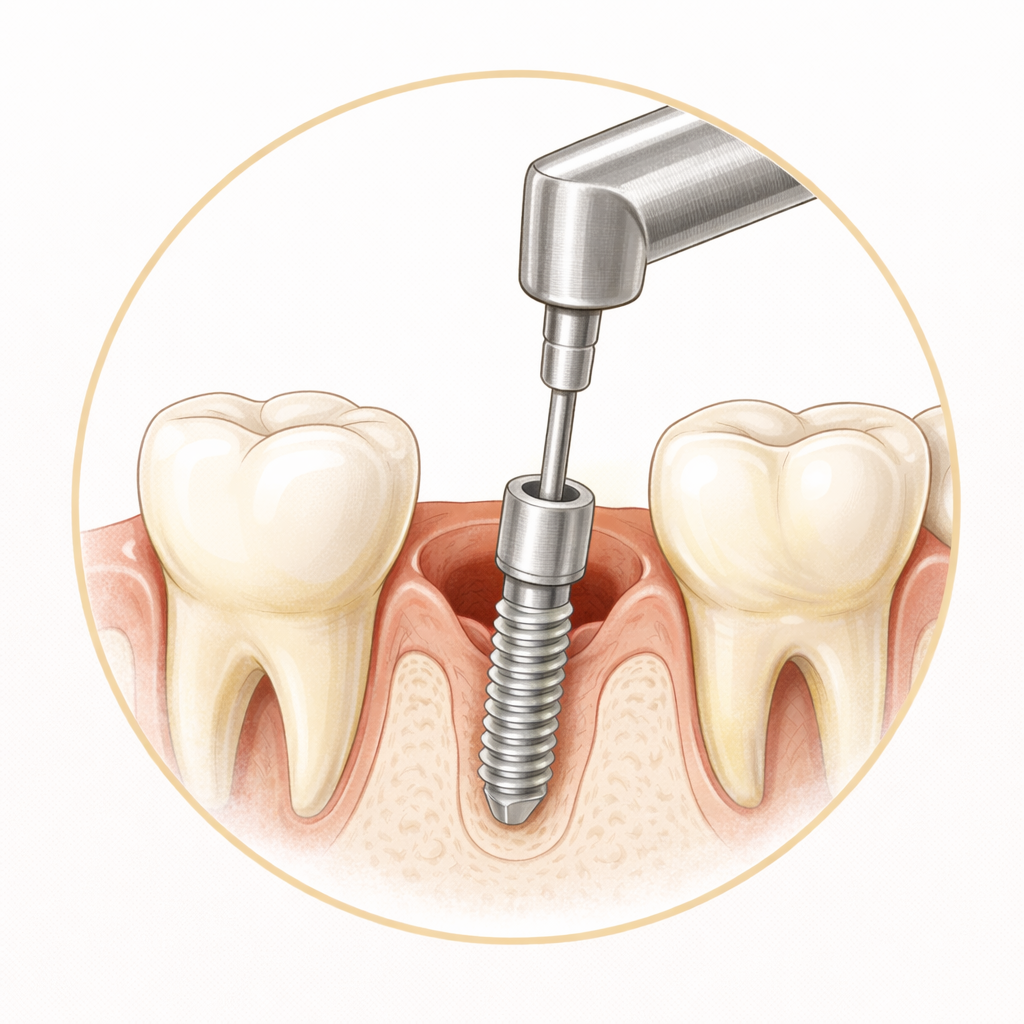
Dental implant is a treatment method in which a prosthetic tooth is placed on an implant that is inserted into the jawbone to replace missing teeth. Implants made from titanium or similar biocompatible materials mimic the natural tooth root, providing both aesthetic and functional solutions.
Missing teeth can cause difficulties in chewing, speech problems and aesthetic concerns. Dental implant treatment is one of the frequently preferred methods for addressing these problems today.
Who Can Implant Treatment Be Applied To?
Implant treatment can generally be applied in the following situations:
- Individuals with single tooth loss
- Patients with multiple missing teeth
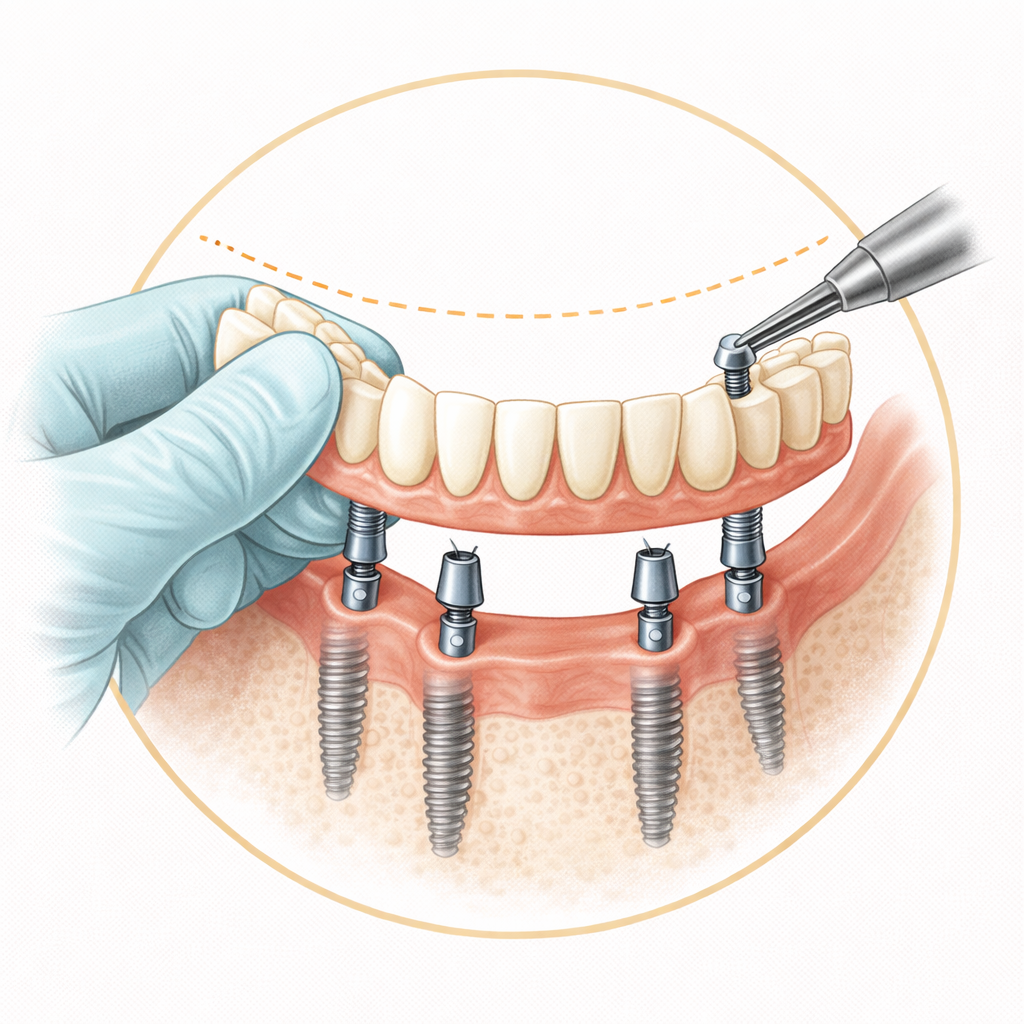
- Complete tooth loss (individuals with no teeth)
- Individuals who do not wish to use bridges or dentures
However, suitability for each patient is determined by clinical examination and radiological investigation.
How Is Dental Implant Performed?
Implant treatment consists of several stages:
1. Examination and Planning
The patient's oral structure, bone level and general health status are evaluated.
2. Implant Placement
The implant is placed in the jawbone. The procedure is usually performed under local anaesthesia.
3. Healing Period (Osseointegration)
The implant is allowed to fuse with the bone. This process usually takes several months.
4. Superstructure (Prosthetic Tooth)
A tooth prosthesis is placed on the implant and treatment is completed.
Is Implant Treatment Painful?
During the implant procedure, anaesthesia is applied so pain is usually not felt. Mild pain or sensitivity may occur after the procedure and this can usually be controlled quickly.
How Long Does Implant Treatment Take?
Treatment duration may vary depending on the patient's bone structure and the procedure to be applied.
In some cases the implant can be placed the same day, whilst in other patients the process may take several months.
What Are the Advantages of Implants?
- Provides appearance close to natural teeth
- Supports chewing function
- Does not harm adjacent teeth
- Can be a long-lasting solution
- Can help reduce bone resorption
What Should Be Noted After Implant Treatment?
- Oral hygiene should be maintained
- Regular dental check-ups must not be neglected
- Hard and strenuous foods should be avoided
- Tobacco use can affect the healing process
Frequently Asked Questions

"Modern dentistry gains meaning through attention to detail, proper diagnosis and personalised planning. My aim is to provide my patients with a treatment experience in which they feel safe."