

Dental Check-Up
Decay and gum disease may not cause pain in the early stages. What is evaluated during a dental check-up and how often should it be done?

Dr. Fırat Karabulut
Dentist · Mecidiyeköy, Istanbul
AI · initial information
onlineLet's discuss your treatment

AI answers are for information and do not replace a medical diagnosis.

Short videos on the topic
All videos →Brief explanations on this topic from Dr. Fırat Karabulut's YouTube channel. Total 2 videos.

Where is Our Clinic? Car Park Entrance

Where is our clinic?
Dentist
+30,000
Successful Dental Treatments
With thousands of successful treatment experiences, personalised planning and modern techniques, we create healthy smiles.
When Should a Dental Check-Up Be Performed? Who Needs It?
Oral and dental health problems often progress without symptoms. Decay, gum disease and bone loss may not cause pain in the early stages. For this reason, dental check-ups should not be performed only when there is pain, but at regular intervals as a matter of great importance. So when should a dental check-up be performed and who needs it?
What is a Dental Check-Up?
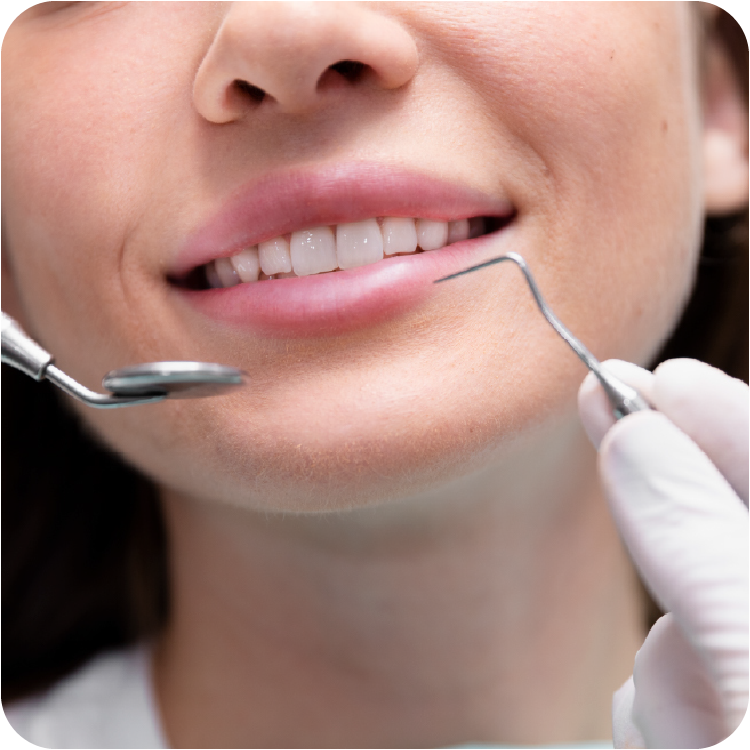
A dental check-up is a comprehensive dental examination performed to evaluate the general health of teeth, gums and oral tissues. The aim is not only to detect existing problems, but also to identify problems that have not yet shown symptoms at an early stage.
Through this examination:
Cavities are detected early
Gum disease is evaluated
Oral lesions are examined
If necessary, bone and root structure are analysed using X-ray
Regular check-ups form the foundation of preventive dentistry.
What Does a Dental Check-Up Include?
A comprehensive dental check-up is not merely a superficial cleaning. Oral health is evaluated holistically.
It typically includes the following steps:
Detailed intraoral examination
Assessment of gum health
Screening for cavities
Evaluation of existing fillings and restorations
Tartar and plaque control
X-ray examination when necessary
Temporomandibular joint and bite analysis
Upon examination, current risks are identified and a personalised care plan is created for the patient. The aim is to prevent larger and more costly treatments in the future.
How is an Intraoral Examination Performed?
Intraoral examination is the fundamental step of a dental check-up. During this assessment, not only the teeth are examined, but also the gums, tongue, cheeks and all tissues in the mouth.
During the examination:
Tooth surfaces are checked for decay
Existing fillings and restorations are evaluated
Signs of gum bleeding and inflammation are examined
Gum recession is checked
Tooth alignment and jaw relationships are reviewed
Suspicious lesions or wounds in the mouth are investigated
At this stage, small problems detected early can be controlled before they develop into larger treatments.
Why Are X-Ray and Digital Analysis Necessary?
Some problems cannot be seen with the naked eye. Especially interproximal cavities, root tip infections and bone loss can only be detected through imaging methods.
X-ray and digital analysis are important in the following situations:
Assessment of tooth roots and bone structure
Detection of interproximal cavities not visible to the eye
Monitoring of impacted teeth
Examination of previous root canal treatments
Determination of bone level in gum disease
Digital imaging systems allow for more detailed and precise analysis. This provides significant advantages in early diagnosis and proper treatment planning.
In short, a dental check-up is not merely a superficial examination; it is a comprehensive evaluation process supported by both clinical examination and, when necessary, technological analysis.
How Often Should It Be Done?
The frequency of dental check-ups varies from person to person. Oral hygiene status, gum health, cavity risk and general health factors affect this interval.
Generally:
Individuals with good oral and dental health are recommended regular check-ups at appropriate intervals.
People experiencing gum problems may require more frequent monitoring.
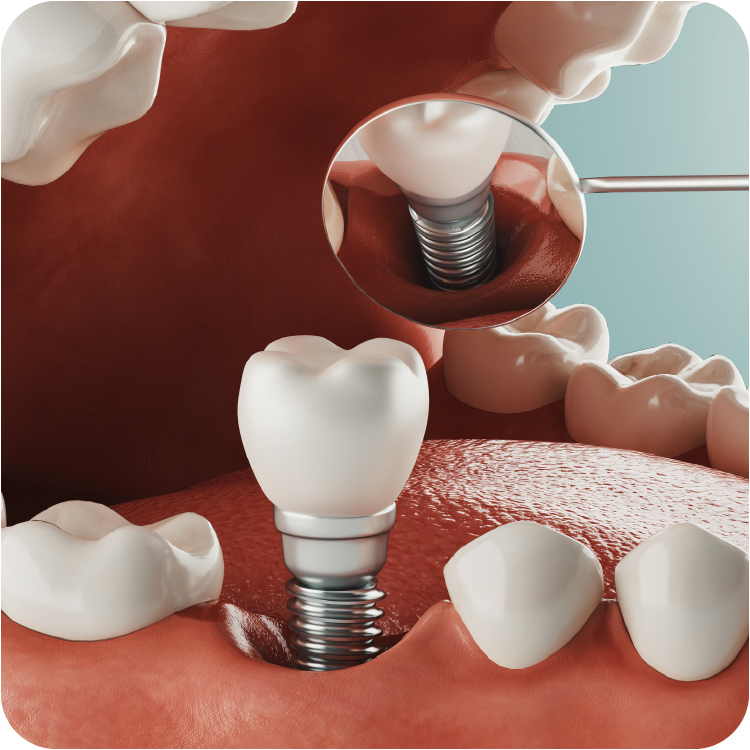
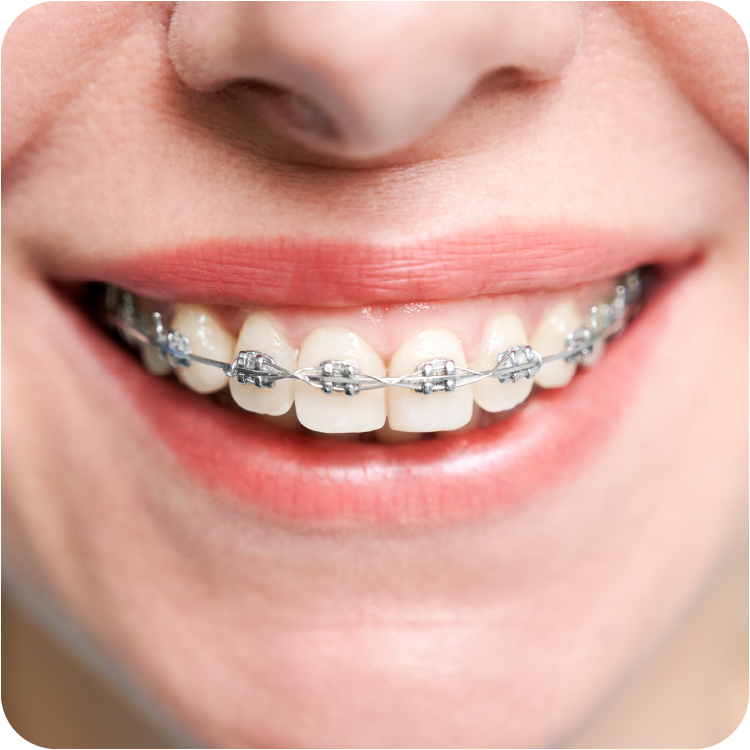
Those undergoing orthodontic treatment, implant patients and those with extensive fillings or crowns should have more regular check-ups.
In smokers or those prone to cavities, the check-up interval may be shortened.
The most appropriate check-up interval is determined by a dentist following their assessment. Regular check-ups prevent larger treatments that may be needed in the future.
What Diseases Can Be Detected Early Through Check-Up?
A dental check-up can reveal not only existing complaints but also problems that have not yet shown symptoms.
The main conditions that can be detected early include:
Early-stage dental cavities
Gum inflammation (gingivitis)
Bone loss and early stages of periodontal disease
Infections that may require root canal treatment
Impacted tooth problems
Decay developing under old fillings
Oral lesions
Early diagnosis allows treatments to be planned more simply, over a shorter timeframe and more economically. For this reason, dental check-ups are not merely examinations, but a preventive healthcare practice.