

Zirconia Implant Treatment
Zirconia Implant
Zirconia implants contain no metal and resemble the natural tooth colour. Differences from titanium implants, suitability criteria and application process.

Dr. Fırat Karabulut
Dentist · Mecidiyeköy, Istanbul
AI · initial information
onlineLet's discuss your implant treatment

AI answers are for information and do not replace a medical diagnosis.

Short videos on the topic
All videos →Brief explanations on this topic from Dr. Fırat Karabulut's YouTube channel. Total 2 videos.

Where is Our Clinic? Car Park Entrance

Where is our clinic?
Dentist
+30,000
Successful Dental Treatments
With thousands of successful treatment experiences, personalised planning and modern techniques, we create healthy smiles.
What is a Zirconia Implant? Is it Safe and Durable?
For patients seeking aesthetic and biocompatible solutions in missing tooth treatment, zirconia implants have become increasingly preferred in recent years. Due to its metal-free structure and appearance close to natural tooth colour, it stands out particularly in patients with high aesthetic expectations. But what exactly is a zirconia implant, is it safe and does it provide a long-lasting solution? You can find the details below.
What is a Zirconia Implant?
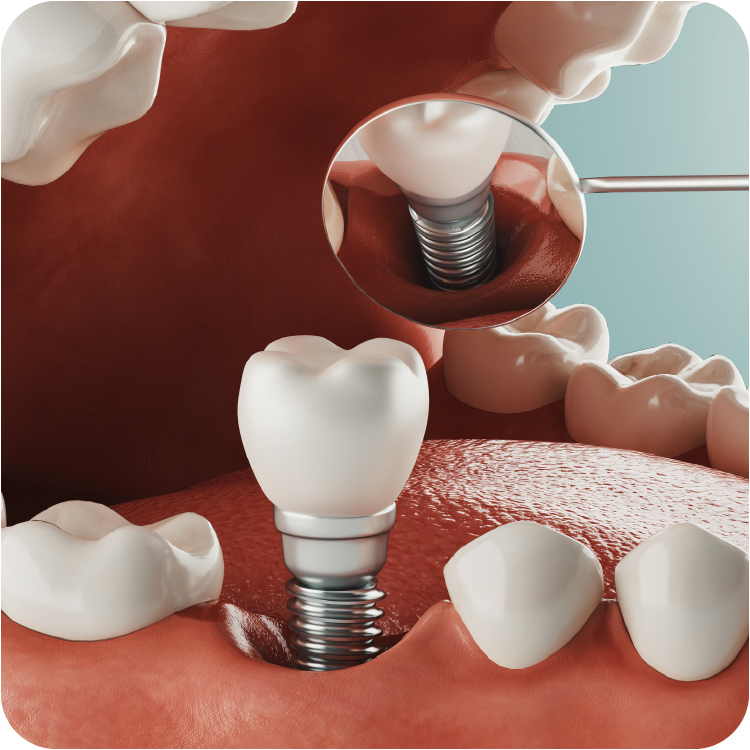
A zirconia implant is an artificial tooth root made from a white and durable ceramic material called zirconia (zirconium dioxide). It is placed into the jawbone in the area of the missing tooth and a fixed prosthetic tooth is applied on top.
Due to its white colour, it does not create dark reflections at the gum line and provides aesthetic advantages. Being a biocompatible material, it is well tolerated by the body and, in suitable patients, fuses with the bone to provide a fixed and functional tooth solution.
How is a Zirconia Implant Placed?
Zirconia implant treatment is a staged process requiring detailed planning and surgical application. The procedure is personalised based on the patient's bone structure and general health status.
1. Examination and Imaging
In the first stage, an intraoral examination is performed and the jawbone is evaluated with 3D dental tomography. The bone height, width and suitability for the implant are analysed.
2. Treatment Planning
The area where the implant will be placed is determined and measurements are taken. If necessary, the implant position is simulated in advance using digital planning.
3. Implant Placement
Under local anaesthesia, a suitable socket is prepared in the jawbone for the implant and the zirconia implant is placed into the bone. The procedure usually takes a short time and most patients can return to their daily routine the same day.
4. Healing and Integration Period
Integration of the implant with the bone (osseointegration) takes approximately 2–3 months. During this period, the implant fuses biologically with the bone.
5. Prosthetic Application
Once healing is complete, an impression is taken and a fixed porcelain or zirconia tooth is placed on the implant. Thus the treatment is completed.
Zirconia implant application, with proper planning and suitable patient selection, provides aesthetically and functionally successful results.
What are the Advantages of Zirconia Implants?
Zirconia implants offer significant advantages for patients with high aesthetic expectations and those seeking metal-free solutions. With proper planning and suitable patient selection, both functionally and aesthetically successful results can be achieved.
Metal-free
Zirconia implants are ceramic-based and contain no metal. This feature provides an alternative option for patients with metal sensitivity.
High biocompatibility
Zirconia material is well tolerated by the body. Its compatibility with the gum is high and the risk of allergic reaction is low.
Aesthetic advantage
Due to its white colour, it does not create dark reflections at the gum margin. It provides a natural and aesthetic appearance, particularly in the front tooth area.
Benefits gum health
Due to its surface properties, it may be more resistant to plaque accumulation. This may help protect gum health.
Corrosion-resistant
Due to its ceramic structure, there is no risk of rust or corrosion in the mouth environment.
Durable construction
With advanced manufacturing techniques, it has been made resistant to high pressure and provides a long-lasting solution under suitable conditions.
Zirconia implant treatment is a strong alternative for patients seeking both aesthetic and biological compatibility. Suitability must be determined following clinical evaluation.
Do Zirconia Implants Have Disadvantages?
Although zirconia implants stand out with their aesthetic and biocompatible properties, they may not be the ideal choice for every patient. Some limitations should be considered when treatment planning is undertaken.
May not be suitable for every case
In situations with insufficient bone volume or those requiring advanced surgery, different implant options may be considered.
Risk of fracture
Although ceramic-based materials have high durability, in very thin designs or under excessive force, the theoretical risk of fracture may exist.
Clinical experience and application precision
Placement of zirconia implants requires technical precision. It is important that the procedure is carried out by an experienced dentist.
Cost
In some cases, the cost may differ compared to other implant options.
In conclusion, the suitability of a zirconia implant should be determined by evaluating the patient's bone structure, biting force and general health status. With proper planning, risks can be minimised.
Who is Suitable for Zirconia Implants?
A zirconia implant can be a suitable treatment option for patients seeking an aesthetic and biocompatible solution. It is particularly advantageous for those who want a natural appearance in the front tooth area and prefer implants without metal.
Can be preferred in the following situations:
- Patients with single or multiple missing teeth
- Individuals with high aesthetic expectations
- Those who believe they have metal sensitivity or prefer metal-free treatment
- Patients who value gum aesthetics
Individuals whose general health status is suitable for implant surgery
Suitability must always be determined after clinical examination and radiological assessment.
Who Is Not Suitable for Zirconia Implants?
As with all implant treatments, zirconia implants may not be recommended in certain situations.
Careful assessment is required in the following cases:
Patients with advanced bone loss
People with uncontrolled diabetes or serious systemic disease
Those with active and untreated gum disease
Individuals with poor oral hygiene and inability to maintain regular care
Cases with very high biting force and heavy pressure in the posterior region
The treatment decision should be made by a specialist dentist after evaluating the jawbone structure and overall health status.
How Long Do Zirconia Implants Last?
Zirconia implants are manufactured from high-strength ceramic-based material and, with appropriate patient selection, can be used without problems for many years. Thanks to modern manufacturing techniques, they are resistant to biting force and form a solid foundation once the bone integration process is complete.
The lifespan of the implant depends on the patient's bone quality, oral hygiene, regular check-ups and chewing habits. With good oral care and regular dental check-ups, implants can provide a long-term solution.
The most important factors for durability are correct planning, appropriate surgical technique and the patient's adherence to post-treatment care instructions.