
Hollywood Smile (Smile Design)
Hollywood Smile is not merely crowns; it is planned together with facial features, lip structure and gum level. The steps of smile design.

Dr. Fırat Karabulut
Dentist · Mecidiyeköy, Istanbul
AI · initial information
onlineLet's talk about your smile

AI answers are for information and do not replace a medical diagnosis.

Short videos on the topic
All videos →Brief explanations on this topic from Dr. Fırat Karabulut's YouTube channel. Total 2 videos.

Where is Our Clinic? Car Park Entrance

Where is our clinic?
Dentist
+30,000
Successful Dental Treatments
With thousands of successful treatment experiences, personalised planning and modern techniques, we create healthy smiles.
What Is Hollywood Smile (Smile Design)? Facial Analysis, Aesthetic Planning and Personalised Smile Guide
One of the most requested applications in aesthetic dentistry in recent years is Hollywood Smile, or smile design. This application is not merely about teeth whitening or crown placement; it is a comprehensive aesthetic transformation process planned by evaluating facial features, lip structure, gum level and personal expectations together. The aim is to give the individual a natural, balanced smile that harmonises with the face.
What Is Smile Design?
Smile design is a process in which the shape, size, colour and alignment of teeth are analysed together with facial proportions to plan a personalised aesthetic smile. During this application, not only the teeth but also the lip line, gum appearance and facial symmetry are evaluated.
The treatment plan may include different procedures depending on the patient's needs. Zirconia crowns, porcelain veneers, teeth whitening, orthodontic adjustment or gum aesthetics can be planned together. The aim is to achieve a natural and facially harmonious aesthetic result rather than an artificial or exaggerated appearance.
What Is Digital Smile Design?
Digital smile design is a modern application that enables aesthetic planning in a computer environment using the patient's facial photographs, intraoral images and measurements. Through this system, teeth height, form, colour and alignment are analysed digitally and a design compatible with facial proportions is created.
During the digital planning process, the patient has the opportunity to see the likely outcome before treatment begins. Thus, both doctor and patient are on the same page regarding expectations. This method enables more predictable, controlled and personalised results to be achieved.
How Is Smile Design Performed?
The smile design process begins with detailed evaluation and progresses with personalised planning.
In the first stage, facial analysis is performed. The lip line, gum level, visibility ratio of the teeth and facial symmetry are examined. Then intraoral examination and necessary imaging are carried out.
During the planning stage, the shape, height and colour of the teeth are determined. If necessary, a digital mock-up is prepared to show the patient the planned smile.
The treatment process may vary depending on needs. Procedures such as teeth whitening, zirconia crowns, porcelain veneers, orthodontic adjustment or gum aesthetics may be performed.
In the final stage, aesthetic and functional harmony is checked. The aim is to achieve a natural, balanced smile that harmonises with the face.
What Does Smile Design Include?
Smile design does not consist of a single procedure. Multiple applications can be planned together according to the individual's needs and aesthetic expectations. The aim is to ensure that the teeth and gums form a unified whole that harmonises with the face.
The procedures that may be applied during the smile design process are as follows:
Teeth whitening
Zirconia crowns
Veneers (porcelain laminates)
Bonding applications
Gum aesthetics (pink aesthetics)
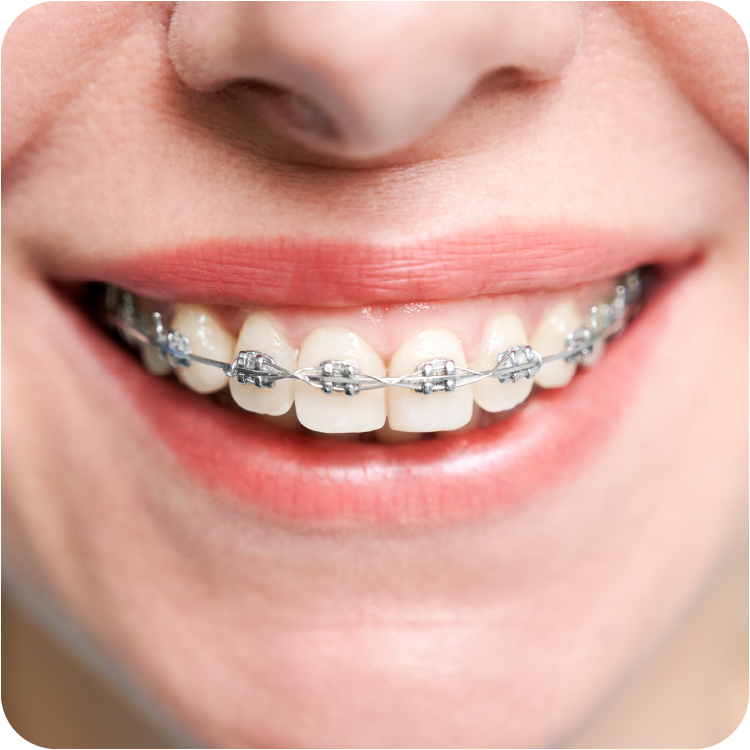
Orthodontic corrections
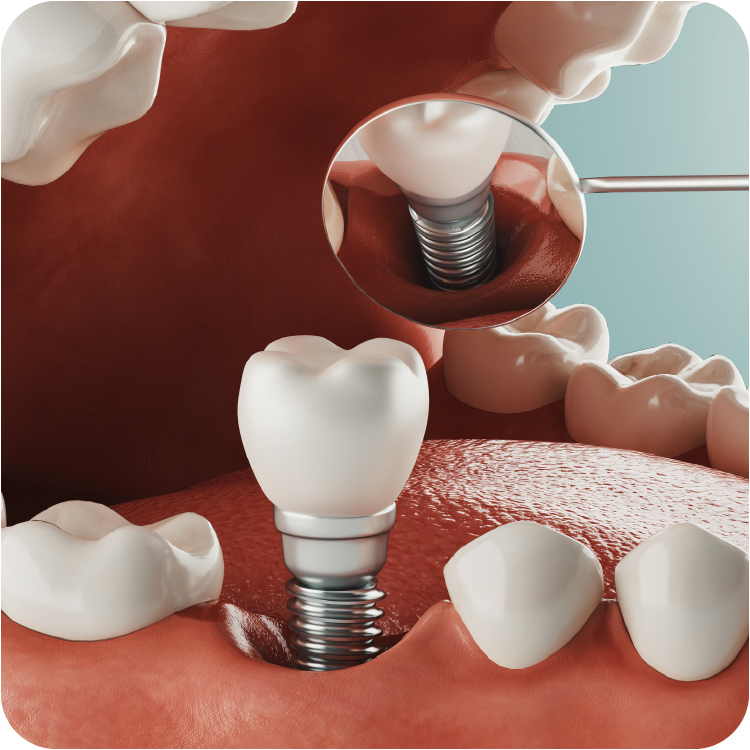
Replacement of missing teeth with implants
Not all procedures are performed on every patient. The treatment plan is created entirely on an individual basis.
Who Is Smile Design Suitable For?
Smile design is suitable for those who are aesthetically dissatisfied with their teeth appearance and wish for a more balanced smile.
Can be preferred in the following situations:
Those with dark or stained tooth colour
Those with misshapen teeth
Patients with gaps between their front teeth
Those who are unhappy with their gum appearance
Individuals with broken, worn or irregular tooth structure
Those wishing for a more symmetrical and aesthetic smile
Smile design can be planned for any adult with good general oral health.
For Whom Is Smile Design Not Suitable?
As with any aesthetic procedure, smile design may be deferred in certain situations or may require a different treatment plan.
In the following circumstances, fundamental treatments should be carried out first:
Those with active gum disease
Patients with untreated cavities
Individuals with severe bite problems
Those with poor oral hygiene
First, oral health is stabilised, then aesthetic planning is undertaken. The most important criterion in smile design is a healthy oral structure.
How Many Sessions Does Smile Design Take?
The duration and number of sessions for smile design vary depending on the procedures to be undertaken and the patient's oral structure. As each patient does not follow the same plan, treatment duration is tailored to the individual.
If only simple procedures such as tooth whitening are involved, the process can be completed quickly. However, if multiple procedures such as zirconia restoration, porcelain laminate, gum aesthetics or orthodontic alignment are planned, treatment may take several weeks.
Generally, the process consists of the following stages:
Examination and planning
Digital design and taking measurements
Necessary preparation procedures
Temporary application and try-in
Placement of permanent restorations
Simple cases can be completed in a few sessions, while comprehensive aesthetic transformations may require more time. The exact number of sessions is determined after detailed examination.
Is Smile Design Permanent?
The permanence of smile design depends on the procedures undertaken and the patient's oral care habits. The materials used and aesthetic applications undertaken are planned to be long-lasting. However, no aesthetic procedure should be considered to "remain unchanged for life".
Restorations such as zirconia or porcelain laminate can be used for many years with proper care and regular check-ups. Tooth whitening procedures may change colour over time and can be repeated at certain intervals.
Factors affecting permanence are as follows:
Regular maintenance of oral hygiene
Tooth clenching or grinding habits
Smoking and heavy coffee consumption
Regular dental check-ups
In conclusion, smile design offers a long-term aesthetic solution. However, regular care and check-ups are essential to maintain the aesthetic appearance achieved.
Before and After Process
The smile design process is not limited to the application stage alone. Detailed analysis and planning before treatment, and controlled follow-up afterwards, are of great importance.
Before Treatment
In the first stage, a comprehensive examination is carried out. Facial proportions, lip structure, gum level and the current condition of the teeth are assessed. Necessary photographs and measurements are taken. With digital planning, a preview of the designed smile can be presented to the patient. At this stage, expectations are clarified and a personalised treatment plan is created.
During Treatment
Procedures such as tooth whitening, restoration, laminate, bonding or gum aesthetics are carried out according to the established plan. Try-ins with temporary applications can be performed and final adjustments made.
After Treatment
After permanent restorations are placed, aesthetic and functional fit is checked. The patient enters the process of becoming accustomed to their new smile. There may be slight sensitivity in the first few days, but this typically normalises quickly.
Regular check-ups and proper oral care after treatment help maintain the aesthetic result for many years.