


All-on-6 Implant Treatment
All-on-6 Implant
The All-on-6 system provides fixed prosthesis support with six implants in complete tooth loss. The difference from All-on-4 is the planning process and suitability criteria.

Dr. Fırat Karabulut
Dentist · Mecidiyeköy, Istanbul
AI · initial information
onlineLet's discuss your implant treatment

AI answers are for information and do not replace a medical diagnosis.

Short videos on the topic
All videos →Brief explanations on this topic from Dr. Fırat Karabulut's YouTube channel. Total 2 videos.

Where is Our Clinic? Car Park Entrance

Where is our clinic?
Dentist
+30,000
Successful Dental Treatments
With thousands of successful treatment experiences, personalised planning and modern techniques, we create healthy smiles.
What is All-on-6 Implant? Advantages, Process, Price, Recovery and Who Is It Suitable For?
The search for a fixed and long-lasting solution for patients experiencing complete tooth loss has led to the development of modern implant systems. The All-on-6 implant system is a comprehensive treatment option that requires advanced planning and delivers strong results in both aesthetic and functional terms. Below, you can find all the details about this method, which provides stronger bone support and balanced load distribution.
What is All-on-6 Implant?
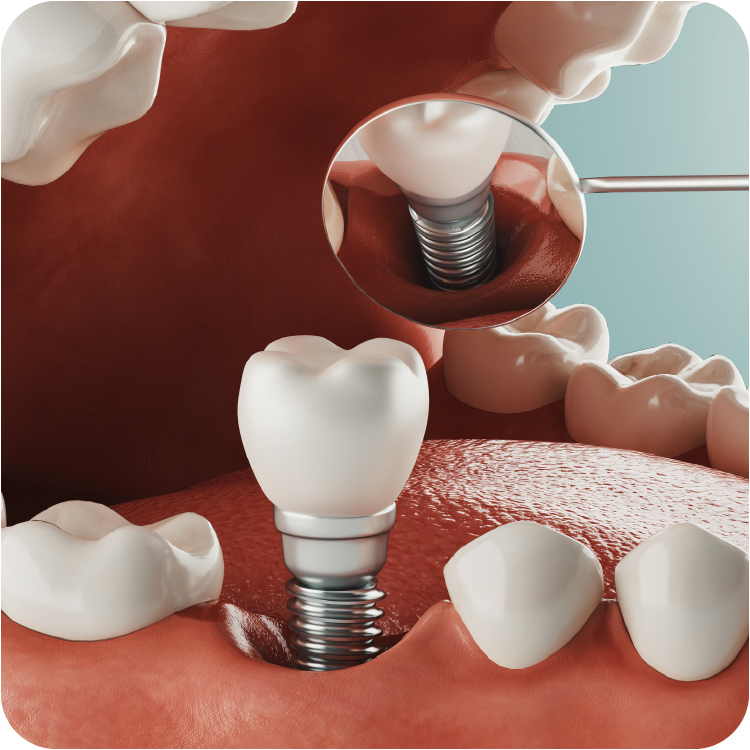
All-on-6 implant is a modern treatment method that enables fixed prosthetic teeth to be placed on 6 dental implants inserted into the upper or lower jaw in cases of complete tooth loss. In this system, implants are positioned strategically in the jaw bone and the entire jaw is restored with a single piece fixed bridge.
All-on-6 implant treatment provides stronger support and balanced mastication force distribution, especially in patients with adequate bone volume. With six implants, the prosthesis becomes more stable and long-term durability increases.
It offers an effective and permanent alternative for patients seeking complete jaw fixed teeth restoration and those who do not wish to use removable dentures. With proper planning and expert application, it has a high success rate.
How Is All-on-6 Implant Performed? (Step-by-Step Process)
All-on-6 implant treatment is an application that requires detailed planning and is usually performed in a single surgical session. The process is individually planned based on the patient's bone structure and general health condition.
1. Examination and 3D Imaging
In the initial stage, an oral examination is performed and the jaw bone is analysed in detail with 3D dental tomography. Bone height, width and anatomical structures are evaluated.
2. Digital Planning
The points where the implants will be placed are determined using computer-assisted systems. Six implants are planned to be positioned at the most ideal location in the jaw bone and to provide balanced load distribution.
3. Tooth Extraction (If Necessary)
If there are teeth that need to be extracted, they can be removed during the same session. If infection is present, it is treated first.
4. Implant Placement
A total of 6 implants are placed in the jawbone. The implants are anchored into the bone and create a strong foundation. This stage is typically performed under local anaesthesia.
5. Temporary Fixed Prosthesis
If bone stability is adequate, temporary fixed teeth can be fitted on the same day. This way the patient does not go without teeth and the aesthetic appearance is preserved.
6. Healing and Permanent Prosthesis
The process of implant integration with the bone takes an average of 2–3 months. After this period, impressions are taken and a permanent, durable and aesthetic prosthesis is fabricated and fitted.
The All-on-6 implant treatment, with proper planning and specialist clinician experience, provides a fixed and long-lasting tooth solution for the entire jaw. The success of the procedure is supported by regular check-ups and good oral hygiene.
What Are the Advantages of All-on-6 Implants?
The All-on-6 implant system is a preferred treatment method because it provides stronger support and a long-lasting fixed tooth solution in cases of complete tooth loss. The application of fixed prostheses on six implants offers significant advantages in both aesthetics and function.
Stronger Support and Stability
The use of six implants allows the chewing force to be distributed more evenly across the jawbone. This helps to make the prosthesis more stable and durable.
High Durability
The larger number of implants, particularly in patients with strong chewing force, provides long-term advantages.
Fixed and Comfortable Teeth
Eliminates the need for removable prostheses. Fixed teeth provide a more natural feel during speech and chewing.
Aesthetic Appearance
Custom-made fixed prostheses provide aesthetic results that closely resemble natural teeth.
More Balanced Load Distribution
Thanks to six implants, the pressure on the bone is distributed more evenly. This contributes to the long-term durability of the implants.
Long-Term Solution
With proper planning and regular maintenance, All-on-6 implants can be safely used for many years.
Single Surgical Session
In most cases, the implant placement procedure can be completed in a single session, and temporary fixed teeth can be fitted on the same day in suitable patients.
The All-on-6 implant system is an effective option particularly for patients seeking a strong and permanent fixed tooth solution and experiencing complete tooth loss in the jaw. The suitability decision should be made following detailed clinical examination.
All-on-6 Implant Disadvantages
Although the All-on-6 implant system provides a strong and long-lasting solution, it may not be suitable for every patient. The following situations should be considered when planning treatment.
Requires Surgical Procedure
Implant placement is a surgical procedure. For this reason, mild swelling, sensitivity and rarely the risk of complications exist.
Not Suitable for Everyone
Patients with advanced bone loss or serious systemic diseases may require additional surgical procedures or different treatment options may be considered.
Cost
The initial cost is higher compared to removable prostheses. However, it provides advantages in terms of long-term comfort and durability.
Requires Good Oral Hygiene
The lower portion of fixed prostheses requires regular cleaning. Otherwise, infection and peri-implant problems may develop.
Healing Process Takes Time
Although soft tissue healing is relatively quick, implant integration with bone takes an average of 2–3 months.
How Is the All-on-6 Implant Healing Process?
The healing process in All-on-6 implant treatment is evaluated in two stages: soft tissue healing and implant integration with bone.
Within the first few days, mild swelling, sensitivity and rarely bruising may occur. These symptoms generally subside within 2–3 days. Most patients can return to their daily activities quickly.
The biological integration of implants with the jawbone (osseointegration) takes an average of 2–3 months. After this process is complete, the permanent fixed prosthesis is fitted. The healing time may vary depending on the patient's general health status, bone quality and oral hygiene.
Regular check-ups and adherence to the clinician's recommendations are important for the healing process to progress smoothly.
Who Are All-on-6 Implants Suitable For?
The All-on-6 implant system is particularly suitable for patients experiencing complete tooth loss in the jaw and seeking a fixed, long-lasting solution. However, suitability must be determined following detailed clinical examination and radiological evaluation.
It may be preferred in the following situations:
- Those completely without teeth in the upper or lower jaw
- Patients with a large number of damaged teeth requiring extraction
- People who do not wish to use removable prostheses
- Patients with high chewing force and seeking stronger support
- Individuals with sufficient bone volume suitable for placement of six implants
- People in good general health with no medical conditions that would contraindicate surgery
All-on-6 implants are a strong treatment option particularly for patients seeking more solid bone support and long-term stability. The suitability decision is made taking into account the structure of the jawbone and the patient's general health status.
Who Are All-on-6 Implants Not Suitable For?
Although the All-on-6 implant system is an effective solution for many patients, it may not be suitable in certain situations. Suitability must be determined following clinical examination and radiological evaluation.
The following situations require careful evaluation:
- Patients with advanced bone loss requiring additional surgery (bone grafting)
- People with uncontrolled diabetes or serious systemic diseases
- Individuals with suppressed immune systems
- Those with active and untreated advanced periodontal disease
- People with poor oral hygiene who cannot maintain regular care
- Patients at high healing risk due to heavy smoking
In these situations, alternative treatment options may be considered or existing health problems should be controlled first. The best decision is made following specialist evaluation.