

Metal Wire (Braces)
Metal Brackets
Metal braces are an orthodontic method applied for many years across a wide range of cases. Treatment process, check-up intervals and care recommendations.

Dr. Fırat Karabulut
Dentist · Mecidiyeköy, Istanbul
AI · initial information
onlineLet's discuss your orthodontic treatment

AI answers are for information and do not replace a medical diagnosis.

Short videos on the topic
All videos →Brief explanations on this topic from Dr. Fırat Karabulut's YouTube channel. Total 2 videos.

Where is Our Clinic? Car Park Entrance

Where is our clinic?
Dentist
+30,000
Successful Dental Treatments
With thousands of successful treatment experiences, personalised planning and modern techniques, we create healthy smiles.
Everything You Need to Know About Metal Wire Treatment
When it comes to orthodontic treatments, metal wire treatment is the most well-known and safely applied method over many years. Due to its durability and effectiveness across a wide range of cases, it is preferred in both young and adult patients. It is a classic but powerful solution for correcting dental crowding and bite problems.
What Are Metal Braces?
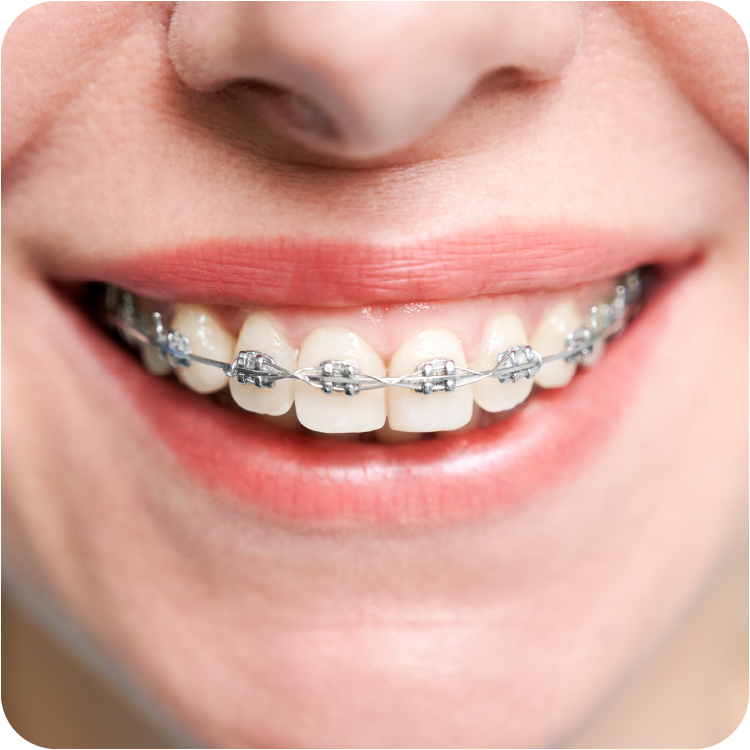
Metal braces are an orthodontic treatment system consisting of small metal brackets fixed to the front surface of teeth. Orthodontic wires passing through these brackets apply controlled force to the teeth, causing them to move gradually to their ideal positions over time.
Also known as classic wire treatment, this method can be applied across a wide range, from mild crowding to more complex orthodontic problems. Due to its durable structure, it offers an effective and reliable tooth straightening option.
How Do Metal Braces Work?
The metal braces system works by applying continuous, controlled force to the teeth. Orthodontic wires passing through brackets fixed on the front surface of teeth move the teeth in the planned direction.
With this light and continuous force applied:
Tooth roots shift position within the jaw bone
Crowding is corrected
Gaps between teeth close
Bite (occlusion) problems are improved
Tooth movement occurs gradually. Wires are changed or tightened at specific intervals, and with each adjustment, teeth move closer to the targeted position.
How Does the Treatment Process Progress?
Metal wire treatment is a planned and phased orthodontic process.
Examination and Planning
At the initial stage, a detailed orthodontic examination is performed. X-rays, photographs and measurements are taken to create a treatment plan.
Bracket Placement
Metal braces are bonded to the front surface of teeth using a special adhesive. An orthodontic wire is then inserted and active treatment begins.
Regular Reviews
Check-ups are performed at regular intervals. Wires are changed or adjusted. With each appointment, teeth progress to the new planned position.
End of Treatment and Retention
Once teeth reach their ideal alignment, braces are removed. Thereafter, retention devices are used to maintain the teeth in their new position.
The duration of treatment and speed of progress depend on the initial condition of the teeth, case complexity and the patient's regular attendance at appointments. Regular follow-up is critical for a successful outcome.
How Long Does Metal Wire Treatment Take?
The duration of metal braces treatment varies depending on the degree of dental crowding and the extent of the bite problem. Whilst milder orthodontic cases may progress faster, more complex cases may require longer treatment.
Factors affecting treatment duration:
Severity of crowding
Jaw structure and bite abnormality
Initial tooth position
Patient's regular attendance at appointments
Any additional procedures that may be needed (for example, tooth extraction)
The most accurate duration information is determined after detailed orthodontic examination and analysis.
Does Metal Wire Treatment Cause Pain?
After braces are placed or wires are adjusted, mild pressure and sensitivity may be felt in the teeth. This is a sign that teeth are moving and usually diminishes within a few days.
In the first few days:
Sensitivity may occur during chewing
Mild irritation may develop on the inside of the cheeks and lips
This period is usually temporary. Over time, the tissues inside the mouth adapt to the braces and discomfort decreases. Severe and prolonged pain is not expected; if this occurs, an orthodontic appointment is recommended.
Are There Dietary Restrictions?
Certain foods must be avoided during metal bracket treatment. Hard and sticky foods can cause brackets to break or wires to become damaged.
In particular:
Very hard dried fruits
Chewing gum and sticky sweets
Very hard-shelled foods
Foods that are bitten off with the teeth
must be avoided.
Soft and balanced nutrition is recommended. Eating in small pieces and chewing carefully helps protect the brackets.
Advantages of Metal Brackets
Metal wire treatment is one of the most reliable and effective methods in orthodontics.
Main advantages:
Durable with low risk of breakage
Applicable to a wide range of cases
Effective in severe crowding
Provides strong control over tooth movement
Less dependent on patient compliance compared to clear aligners
A strong solution in complex orthodontic cases.
Disadvantages of Metal Brackets
Like any orthodontic system, metal brackets have certain limitations.
Visible from the outside
Can cause mouth irritation in the first few days
Dietary restrictions are required
Require careful cleaning
May not be preferred by patients with aesthetic concerns
However, these disadvantages can be minimised with proper care and regular check-ups.
Who Are Metal Brackets Suitable For?
Metal wire treatment can be applied in both mild and severe orthodontic problems.
Can be preferred in the following situations:
Moderate to severe crowding
Bite abnormalities
Jaw discrepancies
Patients who have previously undergone orthodontic treatment but whose teeth have relapsed
Cases unsuitable for clear aligners
The treatment plan is determined individually after an orthodontic examination. The goal is to achieve an aesthetically pleasing, functional and stable result.
Metal Bracket Care and Hygiene
Oral hygiene in metal bracket treatment is critically important for the success of treatment and gum health. Brackets and wires can create areas suitable for plaque accumulation, so regular and proper cleaning is necessary.
Daily Tooth Brushing
Teeth should be brushed at least twice daily, preferably after each meal.
Around the brackets and under the wires must be cleaned carefully.
Orthodontic toothbrushes or small-headed brushes may be preferred.
Interdental Cleaning
Dental floss or interdental brush should be used.
Plaque accumulating between brackets should be cleaned regularly.
Oral Irrigator
Oral irrigator devices can help clean food debris from hard-to-reach areas.
Professional Check-ups
Orthodontic appointments should not be missed.
Tooth scaling should be performed if necessary.
If regular cleaning is not performed, gum inflammation, white spots and increased cavity risk can develop. With proper care, the treatment progresses healthily and the aesthetic result is preserved after treatment.