
Healing After Tooth Extraction
The stages of healing after tooth extraction, care in the first 24–48 hours, protection of the clot, and signs requiring medical attention are explained.

Contents 14
- 01How Does Healing Occur After Tooth Extraction?
- 02What Are the Stages of Healing?
- 03What May Be Expected in the First 24–48 Hours?
- 04What Does a Clot or White Area Mean After Extraction?
- 05How Are Pain, Swelling and Bleeding Assessed?
- 06Are Dry Socket and Infection the Same?
- 07Can Healing Differ After Wisdom Tooth Extraction?
- 08How Are Diet and Oral Care Arranged?
- 09What Matters When Returning to Daily Life?
- 10When to Contact Your Doctor
- 11How to Prepare for the Examination
- 12Questions You Can Ask Your Clinician
- 13Frequently asked questions
- 14References
Healing after tooth extraction is a biological process beginning with a blood clot in the socket and progressing through soft tissue closure and bone remodelling. Gum closure at the surface does not mean the underlying bone has finished healing. Progress depends on extraction extent, local anatomy, oral care and general health.
Summary: Healing after extraction is wound repair in which the clot protects the socket and new tissue gradually develops. Mild oozing, tenderness or limited swelling may occur early. Worsening pain or pain interrupting sleep needs same-day assessment. Bleeding despite pressure, rapidly growing facial or neck swelling or breathing difficulty is an emergency. Pain disappearing does not prove resolution; a clinician distinguishes normal healing, dry socket and infection.
How Does Healing Occur After Tooth Extraction?
Healing begins with a protective blood clot in the socket. New connective tissue gradually replaces it; while the gum surface closes, bone undergoes a longer remodelling process. The pace varies with extraction extent, local conditions and personal health.
The socket is not a simple surface wound that closes all at once. Healing consists of overlapping biological stages:
- Clot formation: A temporary structure forms for healing cells to settle in.
- Natural inflammatory response: The body responds to clear damaged tissue and begin repair. This does not itself mean infection.
- New tissue development: Granulation tissue, followed by connective tissue, begins replacing the clot.
- Gum closure: Soft tissue edges gradually cover the extraction area.
- Bone regeneration: New bone develops in the socket while surrounding bone remodels.
- Tissue maturation: New tissues reorganise to suit the area's structure.
This biological sequence is also discussed in a 2024 review of socket healing (PMID 38574844 — Learn, unlearn, and relearn post-extraction alveolar socket healing: Evolving knowledge and practices, 2024).
Smoking, systemic conditions such as diabetes, regular medicines, local infection and procedure extent can affect healing. Follow-up needs are determined by examination and imaging when necessary.
What Are the Stages of Healing?
Healing is not completed at one moment: clot formation, soft tissue closure and bone remodelling progress at different rates. Early changes and later bone repair belong to the same process but do not finish together. Tissue regeneration can continue beneath an apparently closed site.
The table gives no fixed timetable; it explains the general sequence and points that may require clinical assessment:
| Healing stage | Change at the extraction site | Meaning for decisions |
|---|---|---|
| Clot formation | A blood clot begins protecting the socket | Appearance alone does not show healing is complete |
| Early tissue repair | New healing tissue begins replacing the clot | Colour changes cannot establish a home diagnosis |
| Soft tissue closure | Gum edges advance towards the extraction site | Surface closure does not mean bone repair is complete |
| Bone regeneration | New bone continues filling the socket from within | Further treatment is not planned from appearance alone |
| Maturation | Bone and surrounding tissues remodel | The process varies with individual health |
Simple extraction and surgical removal of an impacted tooth may follow different courses. Pre-extraction tissue condition, general health and regular medicines are also considered.
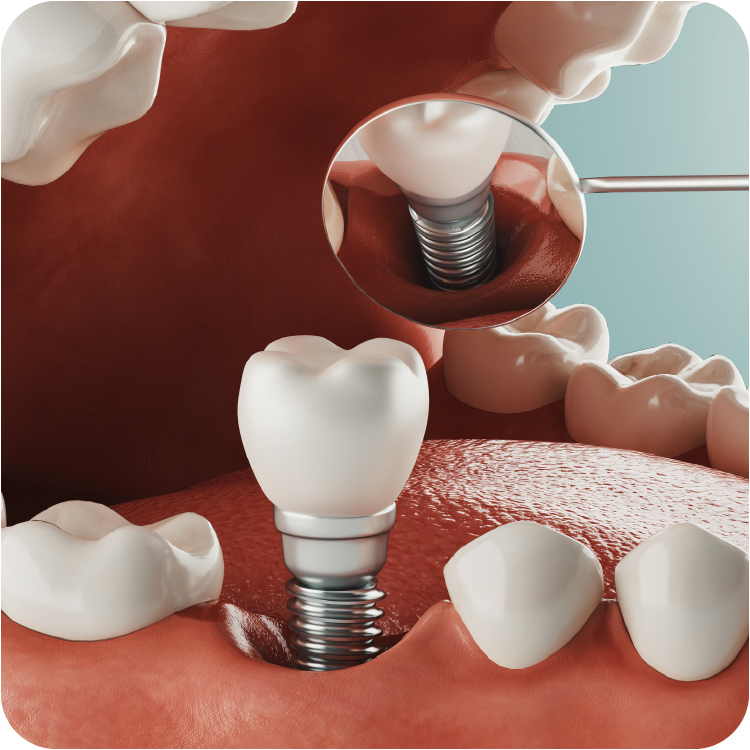
When considering an implant or another prosthetic option, apparent socket closure is not the only factor. Suitability is determined by clinical examination and imaging when needed; planning is individualised.
What May Be Expected in the First 24–48 Hours?
Mild blood oozing, tenderness, limited swelling or temporary discomfort as numbness wears off may occur in the first 24–48 hours. These alone do not indicate a complication. The direction of change matters; worsening pain or pain interrupting sleep needs same-day assessment.
Slightly pink saliva is not the same as bleeding that persists despite pressure. Limited tenderness is also different from rapidly growing facial, under-jaw or neck swelling. Nevertheless, these distinctions cannot be confirmed at home.
Rather than relying on a generic online care protocol, clarify the following with the treating clinician:
- Which changes are expected at the extraction site
- Individual gauze instructions, if provided
- Precautions while numbness persists
- Resuming eating and oral cleaning
- Returning to physical activities
- The prescribed medicine schedule
- Special warnings about regular medicines
- Whether follow-up is needed
Instructions may vary with extraction type, sutures and medical history. Do not independently change prescribed doses or stop regular medicines without assessment by the clinician managing them.
What Does a Clot or White Area Mean After Extraction?
The dark clot is the wound's initial protection. Later white or cream areas may reflect healing tissues or surface debris. Colour and appearance alone cannot diagnose infection, dry socket or exposed bone; a clinician distinguishes them.
| Appearance | General explanation | Safe decision |
|---|---|---|
| Dark red area | May relate to the clot | Do not intervene based on appearance |
| White or cream layer | May relate to healing tissues | Should not alone be considered infection |
| Yellowish surface | May have several explanations | Do not diagnose at home |
| An apparently empty area | May reflect viewing angle or socket anatomy | Worsening pain or pain interrupting sleep needs same-day assessment |
| A bump or discharge | Requires clinical examination | Needs same-day assessment |
The clot is not a foreign body that must fall out at a certain time; new tissue replaces it during healing. Do not apply aspirin, alcohol, herbal products, powders or other substances, scrape the area or try to drain discharge.
Persistent bad taste or odour with swelling needs same-day assessment. Rapidly growing facial, under-jaw or neck swelling requires immediate 112 assistance or the nearest emergency department.
How Are Pain, Swelling and Bleeding Assessed?
Post-extraction pain, swelling or bleeding is assessed by trend and functional impact as well as intensity. Pain interrupting sleep or worsening needs same-day assessment. Do not wait for routine follow-up with bleeding despite pressure or rapidly growing swelling.
| Symptom | Change to monitor | When to seek care |
|---|---|---|
| Pain | Its trend over time is assessed | Same-day assessment if it interrupts sleep or worsens |
| Swelling | Spread and growth rate matter | If rapidly growing, call 112 or attend the nearest emergency department immediately |
| Bleeding | Mild oozing differs from active bleeding | If it persists despite pressure, call 112 or attend the nearest emergency department immediately |
| Bad taste or odour | Does not establish a diagnosis alone | Same-day assessment if persistent with swelling |
| Difficulty opening the mouth | The cause cannot be distinguished at home | If unable to open the mouth, call 112 or attend the nearest emergency department immediately |
Reduced pain alone does not mean the problem has resolved. Discharge, swelling or persistent bad taste should not be dismissed because pain is absent, and planned assessment should not be cancelled.
People using blood thinners, with bleeding disorders or conditions affecting healing should inform the clinician. Do not independently stop, restart or alter medicine doses.
Are Dry Socket and Infection the Same?
Dry socket and dental infection are different, although pain, odour, discharge or swelling can occur in different conditions. Matching symptoms to two diagnostic columns at home is unsafe. Diagnosis uses examination, history and imaging when needed.
| Assessment area | Why it is insufficient alone | What the clinician assesses |
|---|---|---|
| Pain course | May change similarly in different problems | Onset, trend and spread |
| Socket appearance | Clot, healing tissue and surface debris can be confused | Clinical tissue appearance |
| Odour or taste | Does not prove a particular diagnosis alone | Discharge, swelling and other findings |
| Fever | Serious infection can progress without fever | General condition and spread risk |
| Imaging | May not be necessary in every case | Need based on examination findings |
Dry socket is associated with early loss or breakdown of the protective clot. Infection involves microorganisms and surrounding tissue responses. These explanations show that the terms are not synonymous; they are not intended for self-diagnosis.
A clinician decides whether antibiotics are needed. They do not replace abscess drainage or clinical management of the infection source. Do not independently use antibiotics previously prescribed for another reason.
A gum bump or discharge needs same-day assessment. For rapidly increasing swelling, breathing or swallowing difficulty, voice changes or inability to open the mouth, call 112 or attend the nearest emergency department immediately.
Can Healing Differ After Wisdom Tooth Extraction?
Extraction of impacted or partly erupted wisdom teeth may affect surrounding tissues differently from simple extraction. Healing therefore varies. Assessment considers tooth position, bone and gum condition, procedure extent, general health and medicines.
Useful information to share includes:
- Symptoms in the area before extraction
- Information provided about surgical extraction
- The swelling's trend over time
- Pain increasing or interrupting sleep
- Changes in mouth movement
- Smoking or tobacco use
- Diabetes or immune-affecting conditions
- Regular medicines
- Uncertainties about individual instructions
Dry socket and surgical site infection after lower wisdom tooth extraction were examined in a 2024 network meta-analysis on antibiotic prophylaxis (PMID 37612199 — Antibiotic prophylaxis in the prevention of dry socket and surgical site infection after lower third molar extraction: a network meta-analysis, 2024). Its general findings cannot determine personal risk at home.
Worsening pain or pain interrupting sleep needs same-day assessment. Inability to open the mouth, voice changes or swallowing difficulty requires immediate 112 assistance or the nearest emergency department.
How Are Diet and Oral Care Arranged?
The detailed plan follows extraction extent and the treating clinician's instructions. There is no universal protocol. Focus on clarifying personal instructions and seeking assessment for unusual symptoms rather than guessing when to resume a normal routine.
Dietary questions to clarify
- Precautions while numbness continues
- How to resume chewing
- Individual limits on food temperature and texture
- What to do if unable to drink enough
- Foods or drinks that may interact with medicines
- Which findings determine return to a normal diet
Oral care questions to clarify
- How to continue cleaning other teeth
- When and how the socket can be cleaned
- Whether mouthwash or antiseptics are needed
- Follow-up if sutures are present
- What to do if food may have entered the socket
- Individual assessment of smoking, tobacco or alcohol
Do not clean the socket with a sharp object, pull a suture or try to drain discharge. Products and care methods should follow individual instructions.
See the tooth extraction service page for procedure details and individual treatment planning.
What Matters When Returning to Daily Life?
There is no single return time for everyone. Work, driving, exercise and normal eating depend on extraction extent, symptoms, general condition and medicine effects. Follow individual clinical instructions for a safe return.
| Daily activity | Factor to consider in the decision |
|---|---|
| Desk work | General condition and whether bleeding is present |
| Heavy lifting or intense exercise | Risk of renewed bleeding and individual instructions |
| Driving | Dizziness, drowsiness or medicine effects |
| Normal eating | Tenderness trend and extraction site instructions |
| Smoking or tobacco use | Adverse effects on the clot and healing tissues |
| Scheduled follow-up | The clinician's follow-up plan even without symptoms |
If bleeding returns after activity and persists despite pressure, it is an emergency; call 112 or attend the nearest emergency department immediately.
Sleepiness or dizziness may relate to medicines. Do not drive or operate machinery in that state; direct medication questions to the prescriber. Do not change doses independently.
When to Contact Your Doctor
Post-extraction care-seeking has two urgency levels. Airway risk, rapidly increasing swelling or uncontrolled bleeding should not wait for routine follow-up. Pain interrupting sleep or worsening, discharge and some other signs require same-day assessment.
One or more of the following signs is sufficient. Do not wait for all of them together.
Call 112 or go to the nearest emergency department immediately
- Rapidly increasing swelling of the face, under the jaw or neck: a dental infection may be spreading.
- Difficulty breathing: this is an airway risk; do not wait.
- Difficulty swallowing: this is an airway risk; do not wait.
- Voice changes: this is an airway risk; do not wait.
- Inability to open the mouth: this is an airway risk; do not wait.
- Swelling spreading towards the eye.
- Swelling spreading towards the neck.
- Fever.
- Chills.
- Deterioration in general condition.
- Bleeding that continues despite pressure also belongs to this urgency level after extraction.
- A changed bite after facial or jaw trauma.
- Inability to move the jaw after facial or jaw trauma.
- Suspected jaw fracture after facial or jaw trauma.
- Loss of consciousness after trauma: this involves head injury, not just a tooth.
- Vomiting after trauma: this involves head injury, not just a tooth.
- Dizziness after trauma: this involves head injury, not just a tooth.
Dental assessment the same day or without delay
- A tooth completely knocked out. Uncertainty about whether it is a baby or permanent tooth must not delay care.
- Do not dry the tooth; hold it by the crown, do not scrub the root and do not leave it dry during transport.
- A broken tooth.
- A cracked tooth.
- A displaced tooth.
- A bump on the gum.
- Discharge on the gum.
- Swelling with persistent bad taste or odour.
- Toothache interrupting sleep.
- Progressively worsening toothache.
- A filling falling out.
- A crown falling out.
- A bridge falling out.
- An orthodontic wire poking into tissue.
- Injury from an orthodontic wire.
- A non-healing mouth sore lasting longer than two weeks.
- A white or red mouth patch lasting longer than two weeks.
- An area of firmness in the mouth lasting longer than two weeks.
- Gum bleeding continuing outside brushing.
- Loose teeth.
- Widening gaps between teeth.
- Jaw joint locking.
Do not cancel assessment if discharge, swelling or persistent bad taste remains even after pain disappears. Tooth pain can mislead: pain may stop when the pulp becomes necrotic while infection progresses silently. ‘The pain has gone, so there is no need’ is not a safe decision rule.
How to Prepare for the Examination
Explain clearly when symptoms began, how they changed and which medicines are used. Prepare extraction documents, medical history and questions rather than attempting home diagnosis. Examination and imaging when needed determine follow-up.
Useful information to share includes:
- When and why the tooth was extracted
- Whether you were told it was a simple or surgical extraction
- Pain trend over time
- Whether pain interrupts sleep
- Whether bleeding has restarted
- Whether swelling is growing
- Whether persistent bad taste, odour, a bump or discharge is present
- Prescription and non-prescription medicines used
- Blood thinner use
- Diabetes, bleeding disorders or immune-affecting diseases
- Medicine allergies
- Smoking or tobacco use
A photograph does not always distinguish extraction site findings reliably. Healing tissues, debris and clinical problems can look similar. The clinician distinguishes them through examination and imaging when necessary.
Questions You Can Ask Your Clinician
Questions can clarify individual healing and changes requiring reassessment. Focus on expected signs and when to seek care, not only care duration. Options for replacing the missing tooth can also be discussed according to the site's clinical condition.
- Does the site look consistent with normal healing?
- How is the clot or healing tissue assessed?
- Is the current pain or swelling trend expected?
- What follow-up is planned if sutures are present?
- Do any of my care instructions need changing?
- Do my regular medicines affect healing or bleeding?
- Which new sign requires same-day reassessment?
- Is imaging of the extraction site needed?
- When can replacement options for the missing tooth be assessed?
- Which clinical criteria determine suitability for further treatment?
Decisions about implants, bridges or other prosthetic options are not based solely on time since extraction. Bone and gum health, neighbouring teeth, general health and expectations are considered together. Not every option suits everyone, and results cannot be guaranteed.
Frequently asked questions
Common questions concern the clot, socket closure, pain, eating and return to daily life. General information does not replace individual examination. With increasing pain, discharge, persistent bleeding or rapidly growing swelling, follow the stated care-seeking thresholds.
What can support healing after tooth extraction?
To support healing, follow the treating dentist’s individual instructions and do not disturb the extraction site. How to maintain oral hygiene, resume eating and return to physical activities may vary with the extent of the extraction. General advice online does not replace an individual care plan; ask your dentist about anything unclear.
When does the area heal after tooth extraction?
Closure of the gum surface and bone remodelling in the extraction socket are not completed at the same time. Bone repair may continue in an area that appears closed. As the time varies with the extent of extraction, tooth position, local tissues and general health, individual assessment requires a clinical examination.
Is it safe to drink alcohol after tooth extraction?
Alcohol should be considered in relation to irritation of the extraction site, renewed bleeding and interactions with prescribed medicines. When it may be safe depends on the extent of extraction and the medicines used. Follow the treating dentist’s individual instructions rather than relying on a general time frame, and specifically ask about possible medicine interactions.
What can cause nausea after tooth extraction?
Nausea may relate to blood swallowed during the procedure, anxiety, an empty stomach, an individual response to anaesthesia or medicines. Its cause cannot be established from the symptom alone. If nausea recurs or prevents fluid intake, seek a medical assessment of the medicines used and the course of recovery.
When does the clot disappear after tooth extraction?
The clot is not something that should fall out on a particular day; it is gradually replaced by new tissue during healing. Do not try to remove or clean it away. Suspected clot loss cannot be diagnosed at home by appearance; increasing pain or pain that interrupts sleep needs assessment the same day.
When does the wound close after molar extraction?
After molar extraction, the surface gum and underlying bone heal at different rates. Socket structure, tooth position, the extent of the procedure and individual health conditions can affect recovery. Surface closure does not mean bone healing is complete, so subsequent treatments are planned following examination and, when needed, radiological imaging.
What should you do if pain persists after tooth extraction?
Pain that interrupts sleep or progressively increases requires assessment the same day. Discharge or a blister on the gum also needs examination the same day. If you have difficulty breathing or swallowing, rapidly increasing swelling of the face or neck, or bleeding that does not stop despite pressure, call 112 immediately or attend the nearest emergency department.
Does a white extraction site mean infection?
A white or cream-coloured layer at the extraction site may relate to different healing tissues or debris remaining on the surface. Appearance alone does not establish infection, and the area must not be scraped. Discharge requires assessment the same day. Swelling together with a persistent unpleasant taste or smell also needs assessment the same day.
Does the disappearance of pain mean healing is complete?
No. Reduced pain alone does not prove that the extraction site or the other teeth are healthy. When the pulp becomes necrotic, toothache may stop while infection progresses silently. If discharge, swelling or a persistent unpleasant taste continues, do not postpone or cancel an assessment because the pain has gone.
References
The studies below examine the biological healing of extraction sockets and certain complications following lower wisdom tooth extraction. These sources cannot determine individual risk or enable diagnosis at home. Their findings support the general biological framework discussed in this article without replacing clinical examination.
- Learn, unlearn, and relearn post-extraction alveolar socket healing: Evolving knowledge and practices, 2024. PMID 38574844.
- Antibiotic prophylaxis in the prevention of dry socket and surgical site infection after lower third molar extraction: a network meta-analysis, 2024. PMID 37612199.
See the contact page for information about examination and assessment.
This information is for educational purposes and does not replace diagnosis and treatment. Please consult your doctor about your symptoms.