

First Dental Visit in Children
The timing of the first dental visit in children, the examination process, preparation steps, and the role of regular check-ups in oral health are explained.

Contents 12
- 01What Is a Child's First Dental Visit?
- 02When Should the First Visit Take Place?
- 03What Is the Preventive Purpose of the First Visit?
- 04What Is Assessed at the First Examination?
- 05How Can a Child Be Prepared for the Examination?
- 06What Information Should Parents Bring?
- 07Is Treatment Performed at the First Examination?
- 08How Is Follow-Up Planned After the First Visit?
- 09When to Contact Your Doctor
- 10Questions You Can Ask Your Clinician
- 11Frequently asked questions
- 12Sources
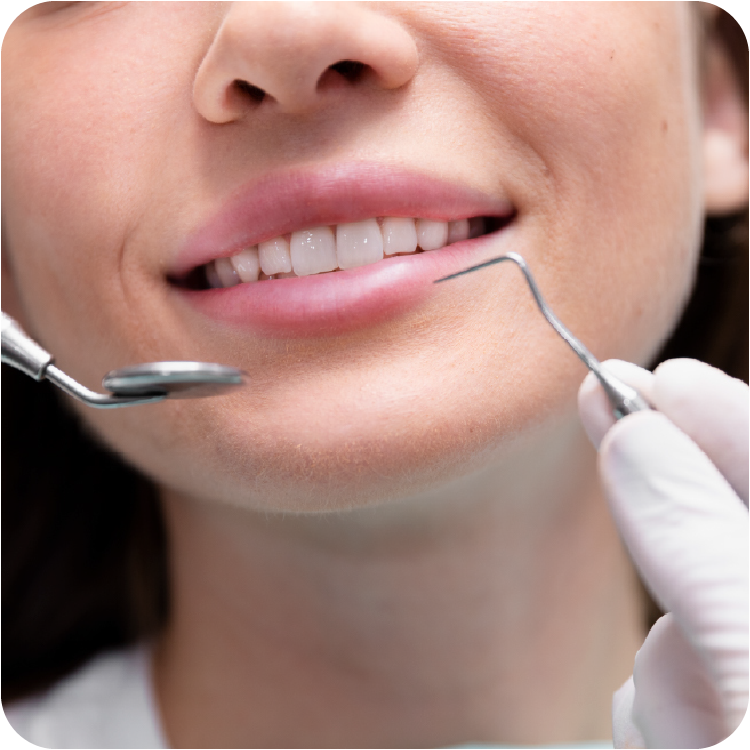
A child's first dental visit is a preventive consultation assessing oral tissues, erupted teeth and jaw development. There is no need to wait for pain, visible decay or another complaint. The aim is to assess current health, inform the family about daily care and identify individual follow-up needs.
Summary: A child's first dental visit is a preventive examination of early oral and dental development. The first check is recommended after the first baby tooth erupts and by around the first birthday at the latest. Its scope depends on development, history and oral findings. Treatment is not always performed at the first visit; assessment and an individual follow-up plan take priority. Do not wait for the scheduled check if pain, trauma, swelling or infection signs occur.
What Is a Child's First Dental Visit?
The first visit is more than a check for decay. Erupted teeth, gums, oral tissues, jaw development, bite, diet and care habits are assessed together. Findings are shared with the family, and the next visit is scheduled according to the child's needs.
Baby teeth contribute to chewing and speech and help preserve space for permanent teeth. ‘They will be replaced anyway’ is therefore not a safe reason to delay assessment of decay or other oral problems.
The first visit generally aims to:
- Help the child become safely familiar with the examination setting
- Assess tooth eruption patterns
- Examine the gums and other oral tissues
- Identify individual risk factors for decay
- Discuss diet and oral cleaning habits
- Address habits such as dummy use or thumb sucking
- Plan follow-up individually
One finding is not enough for a parent to diagnose a condition. The clinician determines its meaning and whether further investigation is needed.
When Should the First Visit Take Place?
The first visit is recommended after the first baby tooth erupts and by around the child's first birthday at the latest. Eruption timing varies, so development is also considered. Even without visible problems, early assessment helps tailor care habits to the child's needs.
The following situations help clarify timing:
- When the first baby tooth erupts: The first examination can be planned.
- Around the first birthday: Assessment should not be delayed even without symptoms.
- If there are concerns about eruption: A clinician should assess developmental differences.
- With trauma, pain or swelling: Do not wait for the routine check-up.
- With an oral problem affecting feeding: Earlier assessment may be needed.
This timing is a general framework. Birth history, chronic conditions, medicines and oral findings may change the follow-up plan.
What Is the Preventive Purpose of the First Visit?
The preventive aim is to assess risks before obvious symptoms and give the family practical care information. Diet, brushing, fluoride needs and oral habits are discussed. However, no preventive approach guarantees freedom from decay or a particular result.
The main differences between an early visit and seeking care only after symptoms are:
| Approach | When is it considered? | Main aim | Limitation |
|---|---|---|---|
| Early preventive visit | Before symptoms develop | Assess development and individual risks | Does not guarantee no future problems |
| Assessment for symptoms | With pain, swelling, trauma or another change | Identify the source and urgency of the symptom | Home observation does not replace diagnosis |
| Regular follow-up | After the first examination, according to an individual plan | Monitor changes | The same interval does not suit every child |
If another procedure is needed, detailed technical planning belongs to the relevant service page. Information about general oral health assessment is available on the dental check-up page.
What Is Assessed at the First Examination?
Erupted teeth, gums, tongue, palate and inner cheeks are examined. Eruption pattern, bite, decay risk, oral habits and daily care are assessed. Medical history and diet are discussed; imaging is planned only when clinically necessary.
Main areas that may be assessed include:
- Tooth position, surface appearance and eruption pattern
- Areas with plaque accumulation or suspected decay
- Condition of the gums and other soft tissues
- Upper and lower jaw development
- How the teeth meet
- Thumb sucking, dummy use or mouth breathing
- Night-time feeding and frequency of sugary foods
- Who brushes the teeth and how
- Previous oral or dental trauma
Decay and sensitivity are not the same, and swelling alone does not diagnose an abscess. These distinctions are made clinically. Imaging needs depend on age, symptoms and examination findings.
How Can a Child Be Prepared for the Examination?
Prepare the child with a brief, calm, age-appropriate explanation. You can say the dentist will count the teeth and look inside the mouth. Do not promise there will be no pain or share frightening details, threats, comparisons or adults' negative treatment experiences.
Neutral phrases you can use include:
- ‘Someone will look at your teeth and mouth.’
- ‘The examination chair can move.’
- ‘A small light may be used to see inside your mouth.’
- ‘You can ask about anything you are curious about.’
Approaches to avoid include:
- Promises such as ‘don't be scared’ or ‘it definitely won't hurt’
- Presenting the dentist as a punishment or threat
- Speaking definitively about extractions or fillings before examination
- Comparing the child with siblings or other children
- Pressuring the child to behave in a particular way
Scheduling the appointment when the child is rested may help. If specific clinical feeding instructions have been given, follow those instructions only.
What Information Should Parents Bring?
Parents should accurately describe the child's general health, medicines, known allergies and previous oral or dental problems. Diet, night-time feeding, brushing, trauma history and dummy use or thumb sucking also support individual assessment.
Prepare the following information before the visit:
- Chronic conditions and significant past health problems
- Medicines used regularly or periodically
- Known allergies
- Previous hospital or dental examination experiences
- Impacts to the mouth or teeth
- Night-time feeding and frequently consumed drinks
- Brushing routine and type of product used
- Developmental changes concerning the family
Parents' observations are valuable, but the meaning of a colour, mark or swelling cannot be confirmed at home. A clinician makes the diagnostic distinction.
Is Treatment Performed at the First Examination?
Treatment is not always performed at the first examination. Priorities are assessing oral and dental health, identifying urgent needs and observing how the child copes. If a procedure is needed, planning is individualised according to findings, history, communication and imaging when required.
Whether a procedure is performed during the same visit depends on:
- An urgent problem being present
- The need for further diagnostic investigation
- The ability to communicate appropriately for the child's age
- The effect of medical history on planning
- The extent of the required procedure
- The child's safety and clinical needs
Do not cancel assessment even if pain eases. Tooth pain can mislead: it may stop when living tissue is damaged while infection progresses silently. ‘The pain is gone, so the problem is gone’ is not a safe conclusion.
How Is Follow-Up Planned After the First Visit?
Follow-up is based on decay risk, oral care, diet, dental development and current findings, rather than one fixed schedule for all children. Needs may be reassessed at each visit. Do not wait for the planned date if a new symptom develops.
Factors influencing follow-up may include:
- Previous or new signs of decay
- Plaque accumulation and adequacy of brushing
- Night-time feeding or frequent sugar intake
- Tooth eruption
- Jaw development and bite findings
- Health conditions that can cause dry mouth
- Current medicines
- History of trauma
Checks assess more than decay: gums, oral tissues, eruption and care habits are also reviewed. The interval is determined by clinical examination.
When to Contact Your Doctor
Certain oral or facial findings in children should not wait for a planned check-up. One or more of the following warning signs is sufficient; they need not occur together. Emergency department situations and those requiring same-day assessment should be treated as separate urgency levels.
Call 112 / nearest emergency department immediately
- Rapidly increasing swelling of the face, under the jaw or neck
- Difficulty breathing
- Difficulty swallowing
- Voice changes
- Inability to open the mouth
- Swelling progressing towards the eye
- Swelling progressing towards the neck
- Fever, chills or worsening general condition with oral or facial swelling
- Bleeding that continues despite pressure
- A changed bite after facial or jaw trauma
- Inability to move the jaw after trauma
- Suspected jaw fracture
- Trauma accompanied by loss of consciousness
- Trauma accompanied by vomiting
- Trauma accompanied by dizziness
Assessment the same day / without delay
- A permanent tooth completely knocked out; if unsure whether it is a baby or permanent tooth, seek same-day assessment without trying to decide at home
- A broken, cracked or displaced tooth
- A bump or discharge on the gum
- Swelling with a persistent bad taste or odour
- Toothache interrupting sleep or worsening progressively
- A filling, crown or bridge falling out
- An orthodontic wire poking or causing injury
- A non-healing sore, white or red patch or firmness in the mouth lasting longer than two weeks
- Gum bleeding continuing outside brushing
- Loose teeth or widening gaps
- Jaw joint locking
Do not wait until morning if a permanent tooth is completely knocked out. If its type is uncertain, do not delay assessment; a clinician distinguishes it. Do not dry the tooth; hold it by the crown, do not scrub the root and keep it from drying during transport. The clinical approach depends on tooth type and examination.
Questions You Can Ask Your Clinician
Questions at the first visit help parents understand the child's current condition and next steps. Focus on the meaning of findings, personal risks, limits of home care and changes requiring reassessment rather than requesting a specific procedure.
You can ask:
- Does tooth eruption match the child's development?
- What are the individual risk factors for decay?
- How should adult help with brushing continue?
- Which findings determine fluoride needs?
- Are any dietary habits affecting oral health?
- Is imaging needed, and what is the clinical reason?
- Which criteria determined the follow-up interval?
- Which symptoms mean we should not wait for the scheduled date?
- If a procedure is needed, what are the options' benefits and limitations?
Frequently asked questions
This section answers common parental decisions about a child's first dental visit. It provides general information; diagnosis requires knowledge of age, history, oral development and examination findings. Follow-up or treatment is individually determined through clinical assessment.
When should babies have their first dental check-up?
The first check is recommended after the first baby tooth erupts and by around the first birthday at the latest. Oral development is assessed and families receive guidance on feeding, cleaning and decay prevention. Pain, trauma, swelling or feeding difficulty requires assessment without waiting for this timing.
Can assessment take place before the first tooth erupts?
Yes. Unusual oral tissue appearance, trauma, feeding difficulty or developmental concerns can be assessed before eruption. Parents' observations help explain the reason for seeking care; a clinician distinguishes normal development from a clinical problem.
How should a child be prepared for the first examination?
Describe the visit briefly and calmly as ‘checking your teeth and mouth’. Do not describe uncertain procedures or guarantee no pain. Avoid frightening words, threats and comparisons; scheduling when the child is rested may help.
Are X-rays taken at the first visit?
Imaging is not routine for every child at the first visit. Need depends on examination, trauma history, suspected decay, dental development and the area to investigate. Method suitability is assessed according to the child's circumstances and clinical necessity.
What can be done if the child fears the examination?
Use age-appropriate, predictable communication without dismissing fear. The first visit's scope can vary with cooperation and clinical need. Do not force, shame or compare the child with others. The clinician chooses behavioural guidance based on health and needs.
Should decay in a baby tooth be assessed?
Yes. A baby tooth eventually falling out does not make decay unimportant. It may progress to pain, infection or feeding difficulty. Pain relief does not prove healing; pain may decrease as living tissue is damaged while infection continues. Examination determines the appropriate approach.
How often should children have dental check-ups?
Intervals differ between children. Decay risk, care, diet, eruption, history and examination are considered together. The clinician makes an individual plan at the first visit; do not wait for the scheduled date if new pain, swelling, trauma or another change occurs.
Sources
The timing and preventive care framework in this article aligns with general professional guidance on children's oral health. Sources provide general information; no single guideline determines an individual diagnosis, imaging need or treatment plan. Decisions follow clinical examination and additional investigations when needed.
- American Academy of Pediatric Dentistry — Parent FAQ (timing of the first dental visit and preventive oral care)
See the contact page for information about examination and assessment.
This information is for educational purposes and does not replace diagnosis and treatment. Please consult your doctor about your symptoms.